


It's distressing when your dog refuses to eat. This can signal medical issues, stress, or behavioural changes. Common causes include dental pain, digestive problems, kidney or liver issues, or environmental stress. If your dog skips meals for more than two days or shows signs like vomiting, diarrhoea, or lethargy, consult your vet immediately. Early action can prevent severe health complications and costly treatments (₹40,000–₹6,40,000).
Quick Tips to Help:
- Check for medical issues: Look for symptoms like bad breath, drooling, or pawing at the mouth.
- Monitor stress levels: Changes at home or routine disruptions can affect appetite.
- Maintain a feeding routine: Feed your dog at fixed times in a calm, quiet space.
- Limit treats and food changes: Stick to consistent meals to avoid fussy eating habits.
If the issue persists, seek veterinary advice, as prolonged appetite loss can indicate serious health concerns.
20 Reasons Why Your Dog Won’t Eat or Drink And Best Solutions
Medical Reasons Your Dog Won't Eat
A sudden loss of appetite in your dog can be alarming. Medical issues are often at the root, and recognising these conditions early is crucial.
Dental Pain and Mouth Problems
Did you know that by the age of 3, 80%-89% of dogs show signs of dental disease?. Issues like broken or loose teeth, gum infections, or oral tumours can make eating painful. You might notice symptoms such as bad breath, excessive drooling, or your dog pawing at their face or mouth. They may also chew more slowly or favour one side of their mouth. If these signs appear, a comprehensive dental check-up by your vet is essential.
Stomach Problems and Chronic Illnesses
Digestive troubles are a common reason for appetite loss. Conditions like an upset stomach, constipation, inflammatory bowel disease, intestinal obstructions, infections, or parasites can leave your dog disinterested in food. These issues are often paired with vomiting, diarrhoea, or noticeable abdominal discomfort. More serious illnesses - such as kidney or liver problems, pancreatitis, cancer, or heartworms - can also suppress appetite. It’s important to distinguish between true anorexia (where your dog has no desire to eat) and pseudo-anorexia (where they want to eat but physically can’t). Your vet may recommend blood tests, urinalysis, stool analysis, or imaging to pinpoint the issue.
Changes in Older Dogs
As dogs age, their eating habits can change for several reasons. Cognitive decline might make them less interested in food, while a reduced sense of smell or taste can make meals less appealing. Joint issues, like arthritis or hip dysplasia, may make it uncomfortable for them to reach their food bowl. Additionally, medications commonly prescribed to senior dogs can sometimes suppress appetite. If you notice these changes in your older dog, consult your vet for guidance.
Warning Signs to Watch For
Certain symptoms should never be ignored. If your adult dog hasn’t eaten for two days, even if they seem otherwise fine, it’s time to call your vet. Other red flags include persistent vomiting, ongoing diarrhoea, noticeable weight loss, extreme lethargy, difficulty breathing, or signs of pain like whimpering or reluctance to move. A sudden or complete refusal to eat is especially concerning. Also, double-check that your dog’s food hasn’t spoiled or expired, as this could be the reason for their refusal to eat.
Next, we’ll explore how behavioural factors can impact your dog’s eating habits.
Stress and Behaviour Problems That Affect Eating
While medical conditions often explain appetite loss, stress and behavioural factors can also interfere with your dog's eating habits. Dogs rely heavily on routine for a sense of security, so disruptions in their daily life can lead to stress and a lack of interest in food. Factors like changes in their environment or routine can play a significant role in appetite changes. Studies show that 20–25% of dogs experience fearfulness around new people, dogs, or situations, while 14–20% deal with separation anxiety. Let’s dive into how changes at home and other stressors can impact your dog's eating patterns.
Stress from Changes at Home
Dogs thrive on consistency and familiar surroundings. Major life changes - such as moving to a new home, introducing a new pet or family member, having houseguests, or even rearranging furniture - can create enough upheaval to cause stress and anxiety, which may affect their appetite. Even minor adjustments can unsettle them.
To help your dog cope, try to introduce new elements gradually while keeping their routines intact. Creating a stable environment with calming elements, like white noise or soothing music, can also help reduce stress caused by disruptive sounds.
Anxiety and Feeding Location
Where your dog eats can significantly influence their appetite. Changes in the feeding area or feelings of unease when left alone can disrupt their eating habits. For instance, if you’ve recently moved their food bowl to a new location, this might be why they’re hesitant to eat.
Separation anxiety can also make your dog uneasy during mealtimes. To help, stick to a regular feeding schedule and keep their food and water bowls in the same place. Choose a quiet, low-traffic area where your dog can eat without distractions.
If your dog struggles with separation anxiety, try building positive associations with being alone by gradually increasing the time they spend apart from you. Avoid punishing them for not eating, as this can worsen their anxiety. Now, let’s look at how fussiness around food can sometimes signal deeper issues.
Fussy Eating Behaviour
Some dogs develop picky eating habits that might seem like a loss of appetite. For example, they might refuse their regular food but still eagerly accept treats when stressed. This behaviour often points to anxiety or dissatisfaction with their food rather than a lack of hunger.
At times, fussiness may hint at underlying digestive issues. Dr Matthew Muir, Lyka Co-founder and Integrative Veterinarian, explains:
"Fussiness can be a subtle sign of an increased gut permeability and a bacterial imbalance",
In other words, what seems like picky eating might actually be your dog avoiding food that doesn’t sit well with their digestive system. Stress can also lead to reduced appetite or worsen digestive problems. Behavioural issues like fear, anxiety, or stress can even result in anorexia (complete refusal to eat) or hyporexia (reduced appetite).
To manage fussy eating, stick to consistent meal times and avoid frequently switching foods or offering too many treats. If your dog refuses a meal, resist the urge to immediately replace it with something else; instead, wait until the next scheduled feeding. Establishing a predictable mealtime routine and a calm environment can help ease anxiety and encourage regular eating.
sbb-itb-5205b1e
Simple Ways to Get Your Dog Eating Again
Getting your dog back on track with eating can often be as simple as establishing a consistent feeding schedule. Dogs thrive on routine, and a predictable meal plan not only helps with their appetite but also promotes better overall eating habits. Here’s how you can make this work.
Setting Up Regular Meal Times
The first step is to establish specific meal times. As the Canadian Academy of Veterinary Nutrition (CAVN) states:
"Dogs are creatures of habit."
A structured routine helps your dog feel secure and trains their body to anticipate meals, turning hunger into a natural cue. Aim to feed your dog at least twice a day at consistent times that fit your daily schedule - say, 7:00 AM and 6:00 PM. This predictability supports digestion and can even ease anxiety.
Using verbal cues like "dinner time" can further reinforce the habit. To discourage grazing, set a 10-minute limit for meals. If your dog doesn’t finish eating within this time, remove the bowl. This teaches them that mealtime is meant for eating, not snacking throughout the day.
Dog trainer Jill Vogel highlights the importance of this approach:
"A happy dog starts with a well-fed dog, and if your dog is acting uncooperative or unruly during training, adjusting their feeding schedule just might be a solution."
When You Need to See a Vet
While minor appetite issues in dogs can often be resolved with simple adjustments, there are certain warning signs that require immediate veterinary attention.
Serious Symptoms That Need Immediate Care
If your dog hasn’t eaten for over 12 hours or skips more than one or two meals without any clear reason, it’s time to act fast. This becomes even more urgent for diabetic dogs, as missed meals can disrupt blood sugar levels, or for puppies who refuse food - especially if vomiting or diarrhoea is present, as these may indicate parvovirus.
Here are some critical symptoms to watch for:
- Digestive distress: Signs like vomiting, diarrhoea, unusual gurgling sounds, a swollen stomach, or noticeable weakness should not be ignored.
- Breathing and physical symptoms: Difficulty breathing, rapid breathing, extreme discomfort, weakness, collapse, or pale gums are all red flags that demand immediate attention.
- Abdominal issues: A tense or bloated abdomen, or yelping when the stomach area is touched, signals a need for urgent care.
- Unusual drinking habits: Drinking excessively despite a lack of appetite could also point to a serious underlying problem.
If your dog’s appetite doesn’t return within one or two days, it’s considered a medical emergency. To determine the cause, diagnostic tests like blood work, biochemistry profiles, and urinalysis are often required.
Seeking early treatment isn’t just better for your pet’s health - it can also save you money. For instance, the cost of diagnosing and treating appetite loss can range between ₹41,500 and ₹6,64,000. Acting quickly can prevent complications and reduce expenses in the long run.
Once your vet has addressed the immediate issues, they may suggest specific dietary changes to aid recovery.
Getting Prescription Diets with Animeal
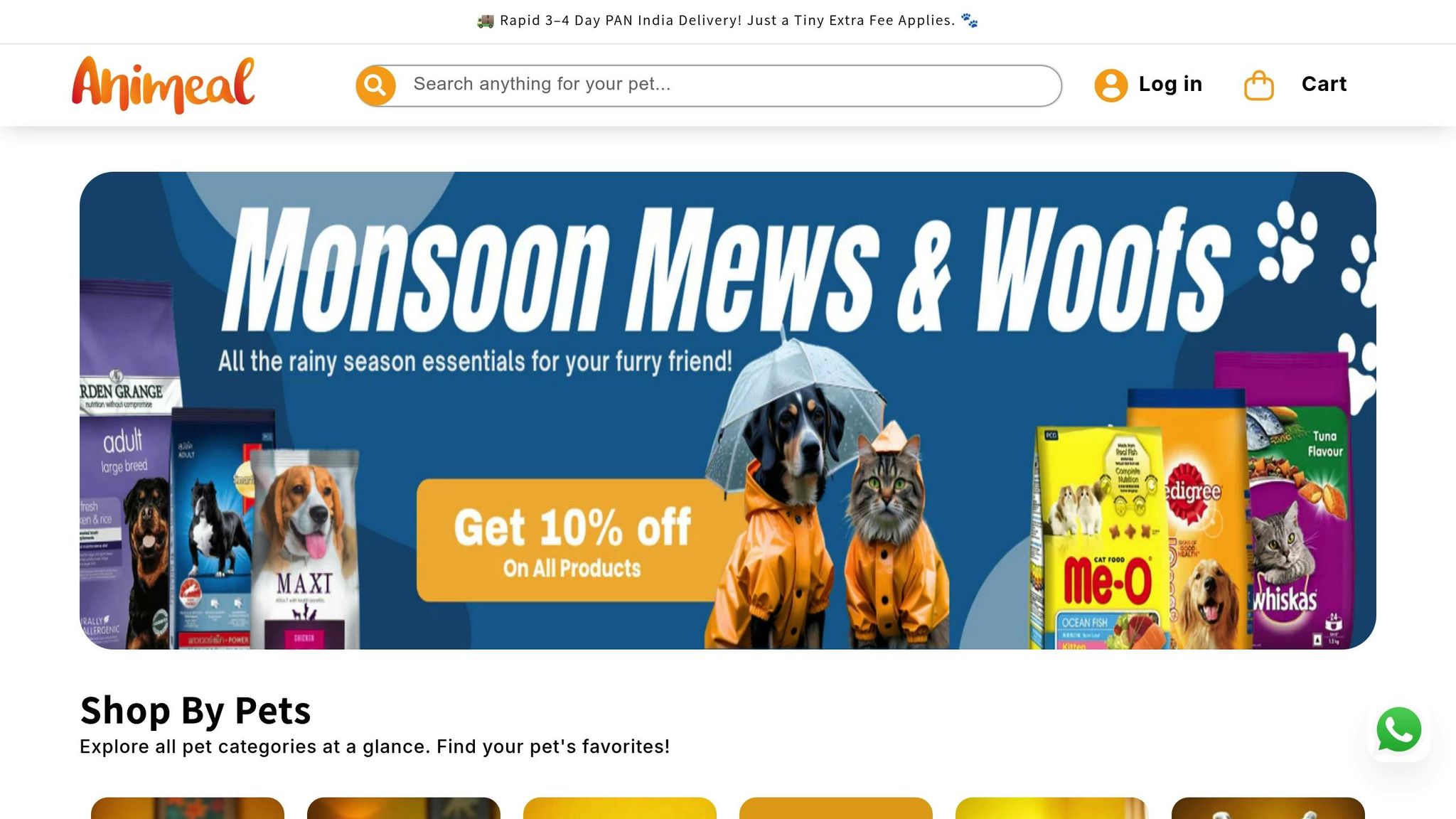
After emergency care, your veterinarian might recommend a prescription diet to help your dog recover. These diets are specially formulated to address specific health concerns such as urinary problems, chronic digestive issues, allergies, organ diseases, obesity, or diabetes.
Animeal makes it easy to access these prescription diets, along with supplements and medicines. Their platform offers fast delivery across India and even allows online consultations for prescriptions, ensuring your dog gets the right nutrition without unnecessary delays.
If your dog continues to refuse the prescribed diet, consult your vet for alternative approaches.
Conclusion: Keeping Your Dog Healthy and Happy
Figuring out why your dog isn't eating is the first step in making sure they stay healthy and content. Whether the issue stems from medical concerns, behavioural patterns, or changes in their surroundings, pinpointing the cause allows you to take the right steps to address their specific needs.
A consistent routine plays a huge role in maintaining your dog's health. Feeding adult dogs twice daily, roughly 12 hours apart, helps regulate their metabolism, supports digestion, and contributes to strong bones, a shiny coat, and steady energy levels. As volunteer and counsellor Tanvi Shetty highlights:
"It's more important you set a fixed time or schedule you ought to stick to religiously (half hour delay here and there is fine) instead of finding the best time to feed your dog. Always stick to a schedule and time your doggos pee and poop breaks according to that."
Your dog's nutritional needs will evolve as they age. Adjusting meal portions based on their weight, activity level, and life stage is crucial. During India's hot summers, consider feeding them during cooler times of the day and adding hydrating foods like cucumber and watermelon to their diet. Always ensure fresh water is available, and wet food can also help boost hydration. These small steps in nutrition and routine can make a big difference in their overall health.
Animeal offers a helping hand to pet parents across India by providing a variety of food options, from everyday dry food (₹75) to specialised veterinary diets (₹599–₹2,590). Their quick 3-4 day PAN India delivery ensures you never have to worry about running out of your dog's favourite meals. Plus, their online consultation service makes it easier to access prescription diets when health concerns arise.
Keeping an eye on your dog's eating habits, energy levels, and overall behaviour is key to preventing appetite-related problems. Spotting changes early means you can act quickly, whether it’s tweaking their diet or seeking veterinary advice. By combining regular meals, balanced nutrition, and careful observation, you can build a solid foundation for your dog's happiness and wellbeing.
FAQs
What should I do if my dog still refuses to eat after trying the suggested tips?
If your dog continues to refuse food despite trying various suggestions, it’s crucial to reach out to a veterinarian promptly. When a dog avoids eating for more than 24–48 hours, it might indicate a deeper health concern that needs professional care.
A veterinarian can pinpoint the cause - be it a medical issue, stress, or even specific dietary needs - and provide the right course of action. Addressing the problem early can make all the difference in safeguarding your pet’s health.
How can I tell if my dog’s loss of appetite is due to a medical issue or behavioural reasons?
To figure out if your dog’s lack of appetite stems from a medical issue or behavioural reasons, pay attention to any other symptoms they might show.
Medical causes often come with noticeable signs like vomiting, diarrhoea, tiredness, weight loss, or unusual drinking habits. These could point to serious issues such as infections or problems with organs like the kidneys or liver.
In contrast, behavioural reasons are usually tied to stress, changes in their environment (like moving to a new home or a shift in routine), or even boredom with their regular food. Unlike medical issues, these don’t typically involve physical symptoms.
If your dog hasn’t eaten for more than a day or you spot any worrying signs, it’s a good idea to reach out to a vet without delay. Acting quickly can help keep your pet healthy and at ease.
What are the warning signs that my dog needs urgent veterinary care if they're not eating?
If your dog isn't eating, it's important to be alert for critical warning signs that may call for immediate veterinary care. These include:
- Vomiting blood or blood in their stools
- Severe abdominal pain or noticeable bloating
- Ongoing vomiting or diarrhoea
- Extreme tiredness or noticeable weakness
- Refusing food for over 24 hours
These symptoms can signal serious health problems that need urgent attention. If you spot any of these issues, reach out to a veterinarian right away to safeguard your dog's health.


