Skip to content


NEURAL CARE
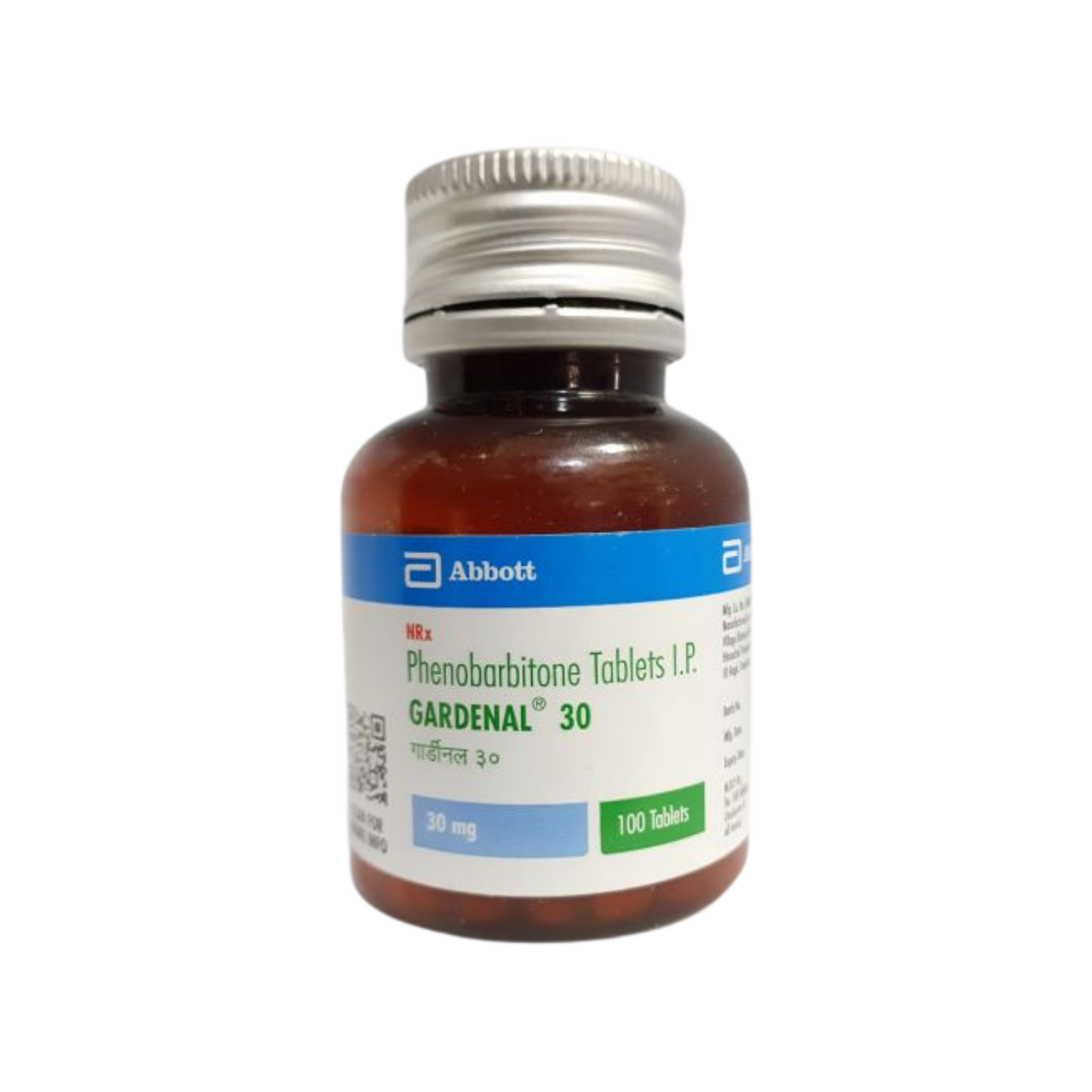
GARDENAL 30MG TABLET
GARDENAL 30MG TABLET
By ABBOTT
Best deal on the Internet
Prescription Required
Couldn't load pickup availability
Check Availability
Rapid 3-4 Day Delivery,Tiny Extra Fee!
-
 Pet Safe
-
 Best Quality
-
 Fast Delivery
-
 Secure Payment


Collapsible content
About Product
Gardenal 30mg Tablet by Abbott Healthcare is a prescription-only oral barbiturate anticonvulsant formulated to manage and prevent epileptic seizures and convulsive disorders in companion animals, most notably dogs and cats. It addresses the pathological hyperexcitability and hypersynchronous electrical firing of neuronal populations in the brain that underlie generalised epilepsy, idiopathic seizures, cluster seizures, and status epilepticus, by enhancing the brain's primary inhibitory neurotransmitter system and raising the threshold at which seizures are triggered. Gardenal 30mg is the preferred choice of veterinary neurologists as a first-line anticonvulsant for canine epilepsy, with decades of clinical evidence supporting its efficacy, safety profile, and practicality in long-term seizure management. Its 30mg tablet strength allows veterinarians to achieve precise dose titration calibrated to the individual patient's body weight and therapeutic plasma concentration targets. Animeal is proud to offer Gardenal 30mg Tablet as part of its curated prescription pharmaceutical range, supporting comprehensive neurological care for your canine or feline companion.
Ingredients:
Phenobarbitone (Phenobarbital, 5-Ethyl-5-phenylbarbituric acid), 30mg per tablet:
Phenobarbitone is a long-acting barbiturate that exerts its anticonvulsant effect primarily through allosteric potentiation of the gamma-aminobutyric acid type A (GABA-A) receptor, the principal inhibitory ligand-gated ion channel complex of the central nervous system. At the molecular level, phenobarbitone binds to a distinct site on the GABA-A receptor complex, separate from the GABA-binding site and from the benzodiazepine-binding site. This binding prolongs the duration of chloride ion channel opening in response to GABA, rather than increasing the frequency of channel openings as benzodiazepines do, resulting in a sustained and prolonged influx of chloride ions into the post-synaptic neuron. The resulting hyperpolarisation of the neuronal membrane raises the threshold required to generate an action potential, making it significantly harder for hyperexcitable neurons to fire and propagate the abnormal synchronised electrical activity that characterises a seizure. In addition to its GABA-A potentiation, phenobarbitone inhibits the activity of voltage-gated sodium channels by reducing their fractional open time and shifting the threshold for activation toward more hyperpolarised membrane potentials, further dampening repetitive neuronal firing. At the physiological level, this dual mechanism simultaneously increases the seizure threshold across the brain and decreases the electrical activity emanating from the seizure focus, progressively stabilising neuronal excitability with consistent long-term use. Phenobarbitone is well absorbed orally in dogs and cats, with peak plasma concentrations reached within four to eight hours after oral administration. Its long plasma half-life of 37 to 75 hours in dogs and 35 to 56 hours in cats means that steady-state therapeutic plasma concentrations are achieved approximately two weeks after initiating therapy, necessitating patience at the outset and routine blood-level monitoring to guide dose adjustments throughout the course of treatment.
Features and Benefits
First-Line Seizure Control for Canine Epilepsy:...
First-Line Seizure Control for Canine Epilepsy:
Gardenal 30mg is the most clinically established and widely used first-line anticonvulsant for epileptic dogs, with over a century of use in seizure management and robust veterinary clinical evidence supporting its efficacy across a wide range of seizure types. By progressively raising the neuronal firing threshold in your canine companion's brain, it targets the root cause of epileptic episodes and significantly reduces both the frequency and severity of seizures over time with consistent daily use.
Dual Neurological Stabilisation:
The combination of GABA-A receptor potentiation and sodium channel inhibition gives phenobarbitone a multi-mechanism approach to seizure prevention that operates across two complementary pathways simultaneously. This dual action makes Gardenal 30mg a particularly robust anticonvulsant for dogs with refractory or complex seizure presentations, reinforcing neurological stability even when seizure activity arises from multiple foci or is resistant to single-pathway suppression.
Precise Dose Titration at the 30mg Strength:
The 30mg tablet strength of Gardenal is specifically suited to veterinary dose titration, allowing the prescribing veterinarian to accurately calculate and adjust doses based on your companion animal's body weight and measured serum phenobarbitone concentrations. This precision is clinically important in seizure management, as therapeutic plasma levels must be maintained within a defined range to balance optimal seizure control against the risk of sedation and hepatotoxicity, and the 30mg unit facilitates that balance more readily than higher-strength formulations.
Long-Acting Coverage with Twice-Daily Dosing:
Phenobarbitone's extended plasma half-life in dogs and cats enables effective seizure control with a straightforward twice-daily oral dosing schedule, reducing the administration burden on pet parents managing a companion animal with chronic epilepsy. The sustained plasma concentration achieved with consistent dosing provides around-the-clock neurological protection, minimising the risk of breakthrough seizures that can occur with shorter-acting anticonvulsants during interdose troughs.
Management of Cluster Seizures and Status Epilepticus Support:
For companion animals experiencing cluster seizures or as part of an emergency seizure management protocol under veterinary supervision, Gardenal 30mg provides a reliable anticonvulsant backbone that supports rapid escalation of neurological suppression when required. Its capacity to reduce both seizure frequency and the electrical intensity of seizure foci makes it a critical component of comprehensive seizure management plans for dogs with severe or unpredictable epileptic conditions.
Broad Utility Across Seizure Aetiology:
Whether your companion animal's seizures stem from idiopathic epilepsy, structural brain pathology, metabolic disturbances, or toxic exposure, phenobarbitone's broad-spectrum suppression of neuronal hyperexcitability targets the final common pathway of seizure generation regardless of the underlying cause. This versatility makes Gardenal 30mg a clinically valuable anticonvulsant across a wide range of diagnoses, and it is frequently used in combination with other agents such as potassium bromide for cases where monotherapy is insufficient.
Usage and Applications
How to Use:Gardenal 30mg Tablet is a prescripti...
How to Use:
Gardenal 30mg Tablet is a prescription-only, controlled substance that must be administered exclusively under the direct supervision and ongoing management of a licensed veterinarian, who will determine the appropriate starting dose, adjustment schedule, and target therapeutic plasma concentration based on your companion animal's species, body weight, seizure type, frequency, and clinical response. The tablet may be administered orally with or without food; however, giving it with food may help reduce the risk of mild gastrointestinal upset and can improve compliance in animals that are resistant to tablet administration. It is critically important to administer each dose at the same time every day to maintain stable plasma concentrations, as fluctuations in blood levels can reduce seizure control or increase the risk of adverse effects. Never discontinue Gardenal abruptly, as sudden withdrawal of phenobarbitone can precipitate severe rebound seizures and may trigger status epilepticus; any decision to reduce or cease therapy must be made by your veterinarian and carried out according to a gradual, supervised tapering protocol. If a dose is missed, administer it as soon as it is recalled, unless the next scheduled dose is imminent, in which case the missed dose should be skipped entirely without doubling the subsequent dose. Regular veterinary monitoring appointments, including measurement of serum phenobarbitone levels and liver function tests, are essential throughout the course of treatment and must not be deferred. Store this medication in a secure, locked location away from children and other pets at all times, as phenobarbitone is a Schedule H controlled substance in India with potential for misuse.
Storage Advice:
Store unopened Gardenal 30mg Tablet in a cool, dry place below 30 degrees C away from direct sunlight and moisture. Do not freeze. Once opened, retain the tablets in their original blister strip or container and reseal after each use to protect them from humidity and light degradation. This product is a controlled substance and must be stored in a secure, locked cabinet at all times, with the remaining quantity monitored regularly to prevent diversion. Keep out of reach of children and other animals. Do not use after the best-before date printed on the blister strip or carton.
About the Brand:
Founded in 1888 by Dr. Wallace C. Abbott, a practising physician in Chicago, Abbott Laboratories has grown into one of the world's foremost science-based healthcare companies, operating in more than 160 countries with over 115,000 employees globally and a portfolio spanning pharmaceuticals, diagnostics, medical devices, and nutrition. Abbott's presence in India dates back to 1910, making it one of the oldest and most deeply trusted healthcare institutions in the country, with manufacturing facilities in Goa and Himachal Pradesh that maintain compliance with international quality standards and serve over 400 branded generic pharmaceutical products across 80 percent of medical treatment categories in India. Abbott's commitment to translating rigorous science into lasting contributions to human and animal health, guided by its enduring philosophy of "Life. To The Fullest," aligns with Animeal's commitment to offering clinically validated, trustworthy pharmaceutical solutions for your companion animal's health and wellbeing. Discover Abbott today.
Disclaimer:
Please note that while Gardenal 30mg Tablet is formulated from phenobarbitone, a clinically established barbiturate anticonvulsant, and is appropriate for use in dogs as a primary anticonvulsant and in cats, ferrets, and horses on an off-label basis under veterinary direction, it is a prescription-only controlled substance and must not be administered to any animal without prior veterinary examination, neurological assessment, and written prescription. Gardenal 30mg is a complementary long-term anticonvulsant therapy and is not a substitute for comprehensive veterinary neurological diagnosis, seizure monitoring, or ongoing haematological and hepatic function assessment during treatment. For companion animals with pre-existing liver disease, respiratory compromise, anaemia, known hypersensitivity to barbiturates, or those receiving concurrent medications including corticosteroids, antifungals, chloramphenicol, or other central nervous system depressants, consult your veterinarian before introducing this product, as significant drug interactions and contraindications apply. Animeal supports your pet's health and happiness journey but does not replace the advice of a qualified veterinary professional.