Skip to content


CARDIAC CARE
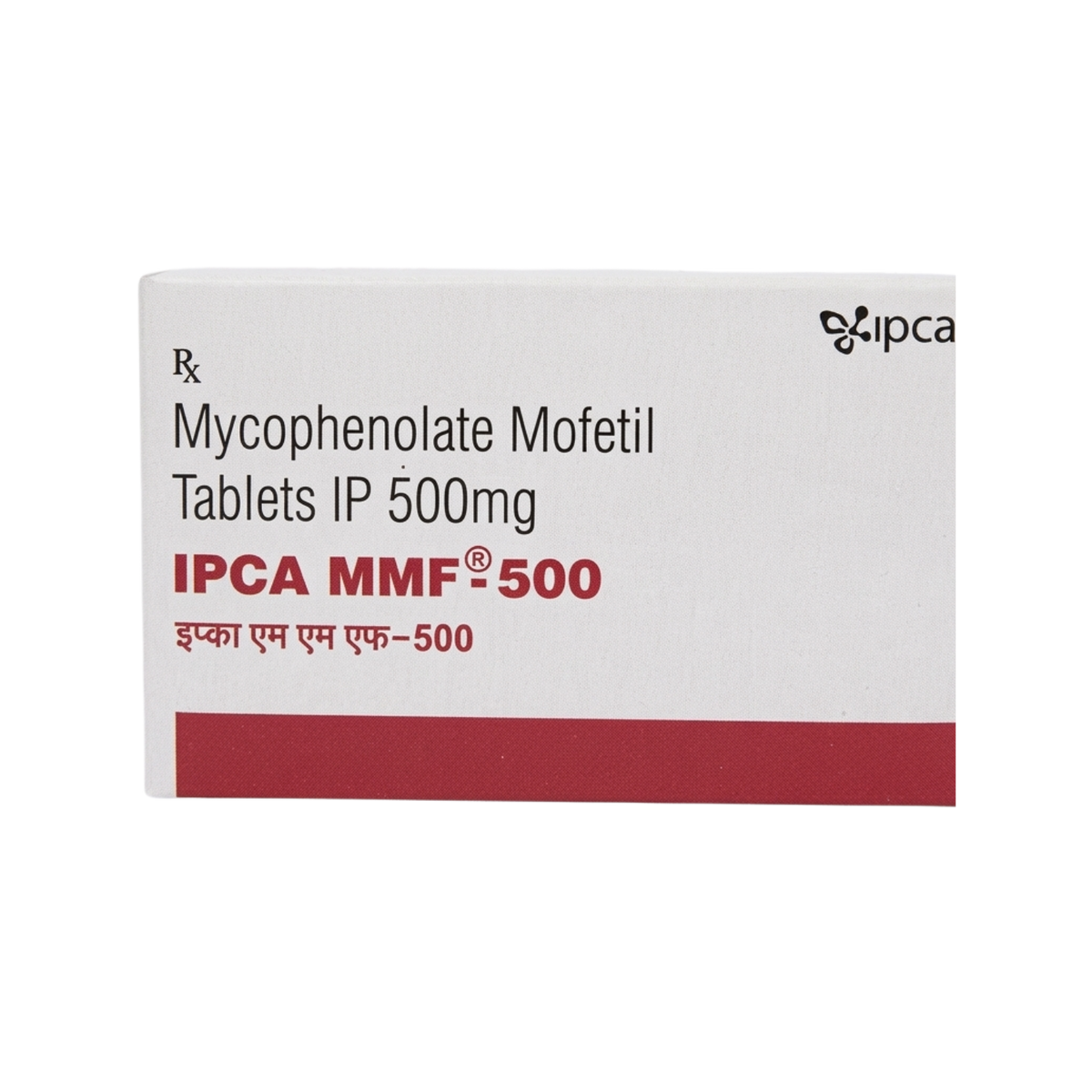
Ipca Mmf-500 Tablet
Ipca Mmf-500 Tablet
By IPCA
Out of Stock
Prescription Required
Couldn't load pickup availability
Check Availability
Rapid 3-4 Day Delivery,Tiny Extra Fee!
-
 Pet Safe
-
 Best Quality
-
 Fast Delivery
-
 Secure Payment


About Ipca Mmf-500 Tablet
Heart disease often shows up as tiredness, coughing or fast breathing, and it needs long term care from a vet.
Ipca Mmf-500 Tablet is a human tablet from Ipca that contains mycophenolate. Mycophenolate is an immune suppressant.
It is made for people. Vets sometimes prescribe it for pets, for example for immune-mediated diseases. Give it to your pet only if your vet has prescribed it.
Prescription Notice
This is a prescription veterinary product. Animeal dispenses it only against a valid prescription from a registered veterinarian. You can upload the prescription at checkout or send it on WhatsApp to +91 90041 57093.
Composition
Active ingredients listed for this product. The exact strength is printed on the pack.
| Ingredient | What it does |
|---|---|
| Mycophenolate | Calms an overactive immune system. |
Features and Benefits
- Tablet form. Easy to store, and you can hide it in a small piece of food if your vet allows.
- Vet-guided. Your vet sets the dose and length of treatment for your pet.
How It Works
- Mycophenolate. It stops immune cells multiplying.
How to Use
- Dose. Give Ipca Mmf-500 Tablet exactly as your vet prescribes. The dose depends on your pet's weight, age and condition.
- Giving a tablet. Place it at the back of the tongue, close the mouth gently and stroke the throat until your pet swallows. You can also hide it in a small piece of food if your vet says this is fine.
- Missed dose. Give it as soon as you remember, unless the next dose is nearly due. Never give two doses together.
- Storage. Store in a cool, dry place away from direct sunlight, unless the pack gives other storage directions. Keep out of reach of children.
Safety and Precautions
- Your vet will check blood counts.
- Wear gloves when handling it.
- Tell your vet about any other medicines your pet takes, and if your pet is pregnant, nursing or has liver or kidney problems.
Frequently Asked Questions
Do I need a prescription for Ipca Mmf-500 Tablet?
Yes. Ipca Mmf-500 Tablet is a prescription medicine. Animeal needs a valid prescription from a registered vet before it can be dispatched. You can upload it at checkout or send it on WhatsApp to +91 90041 57093.
What is Ipca Mmf-500 Tablet used for?
Ipca Mmf-500 Tablet contains mycophenolate. Vets use it for immune-mediated diseases. Your vet decides whether it is right for your pet and for how long.
What if I miss a dose of Ipca Mmf-500 Tablet?
Give it as soon as you remember. If the next dose is nearly due, skip the missed one and carry on as normal. Never give a double dose.
Also in: Heart Care for Dogs · Heart Care for Cats · All Dog Products · All Cat Products
Product Information
| Detail | Information |
|---|---|
| Brand | Ipca |
| Active ingredients | Mycophenolate |
| Form | Tablet |
| Pack size | 10 tablets |
| Suitable for | Dogs and cats |
| Made for | People. Use for pets only on a vet's prescription |
| Prescription | Required |
| Sold by | Goodman Vetcare Pvt. Ltd. (Animeal), Warehouse No - 501 5th floor, Bharat industrial estate, Tokershi Jivraj Rd, Sewree West, Sindhu Nagar, Sewri, Mumbai, Maharashtra 400015 |
This product requires a valid prescription from a registered veterinarian. Animeal shares this information for educational purposes only. Always consult your vet before use.
| Company Name & Address | Ipca Laboratories Ltd. |
|---|---|
| Country of Origin | India |

Ipca Mmf-500 Tablet
Out of Stock
Prescription Required
About Ipca Mmf-500 Tablet
Heart disease often shows up as tiredness, coughing or fast breathing, and it needs long term care from a vet.
Ipca Mmf-500 Tablet is a human tablet from Ipca that contains mycophenolate. Mycophenolate is an immune suppressant.
It is made for people. Vets sometimes prescribe it for pets, for example for immune-mediated diseases. Give it to your pet only if your vet has prescribed it.
Prescription Notice
This is a prescription veterinary product. Animeal dispenses it only against a valid prescription from a registered veterinarian. You can upload the prescription at checkout or send it on WhatsApp to +91 90041 57093.
Composition
Active ingredients listed for this product. The exact strength is printed on the pack.
| Ingredient | What it does |
|---|---|
| Mycophenolate | Calms an overactive immune system. |
Features and Benefits
- Tablet form. Easy to store, and you can hide it in a small piece of food if your vet allows.
- Vet-guided. Your vet sets the dose and length of treatment for your pet.
How It Works
- Mycophenolate. It stops immune cells multiplying.
How to Use
- Dose. Give Ipca Mmf-500 Tablet exactly as your vet prescribes. The dose depends on your pet's weight, age and condition.
- Giving a tablet. Place it at the back of the tongue, close the mouth gently and stroke the throat until your pet swallows. You can also hide it in a small piece of food if your vet says this is fine.
- Missed dose. Give it as soon as you remember, unless the next dose is nearly due. Never give two doses together.
- Storage. Store in a cool, dry place away from direct sunlight, unless the pack gives other storage directions. Keep out of reach of children.
Safety and Precautions
- Your vet will check blood counts.
- Wear gloves when handling it.
- Tell your vet about any other medicines your pet takes, and if your pet is pregnant, nursing or has liver or kidney problems.
Frequently Asked Questions
Do I need a prescription for Ipca Mmf-500 Tablet?
Yes. Ipca Mmf-500 Tablet is a prescription medicine. Animeal needs a valid prescription from a registered vet before it can be dispatched. You can upload it at checkout or send it on WhatsApp to +91 90041 57093.
What is Ipca Mmf-500 Tablet used for?
Ipca Mmf-500 Tablet contains mycophenolate. Vets use it for immune-mediated diseases. Your vet decides whether it is right for your pet and for how long.
What if I miss a dose of Ipca Mmf-500 Tablet?
Give it as soon as you remember. If the next dose is nearly due, skip the missed one and carry on as normal. Never give a double dose.
Also in: Heart Care for Dogs · Heart Care for Cats · All Dog Products · All Cat Products
Product Information
| Detail | Information |
|---|---|
| Brand | Ipca |
| Active ingredients | Mycophenolate |
| Form | Tablet |
| Pack size | 10 tablets |
| Suitable for | Dogs and cats |
| Made for | People. Use for pets only on a vet's prescription |
| Prescription | Required |
| Sold by | Goodman Vetcare Pvt. Ltd. (Animeal), Warehouse No - 501 5th floor, Bharat industrial estate, Tokershi Jivraj Rd, Sewree West, Sindhu Nagar, Sewri, Mumbai, Maharashtra 400015 |
This product requires a valid prescription from a registered veterinarian. Animeal shares this information for educational purposes only. Always consult your vet before use.
| Company Name & Address | Ipca Laboratories Ltd. |
|---|---|
| Country of Origin | India |