Skip to content


DRY FOOD
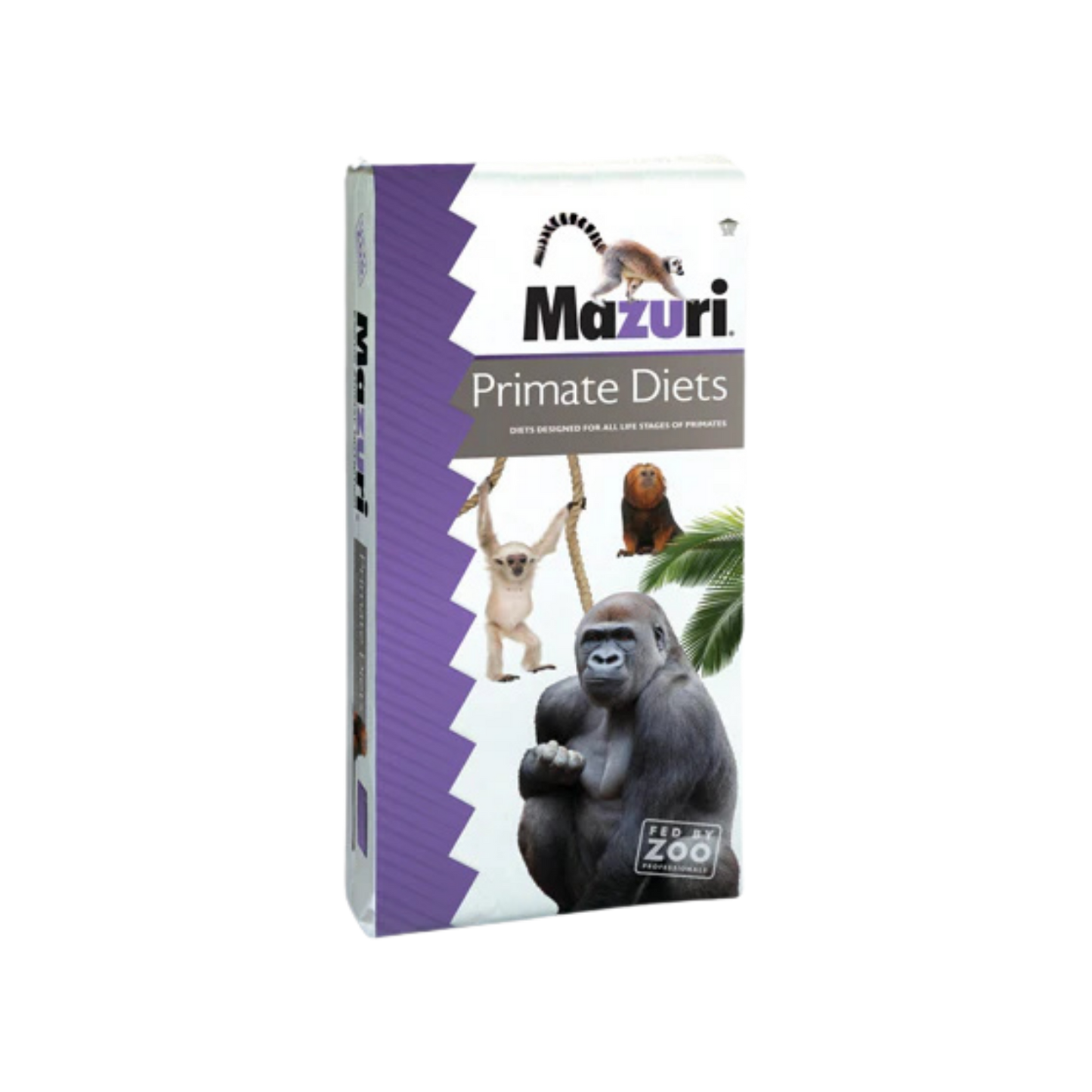
MAZURI LEAF EATER PRIMATE DIET MINI BISCUIT
MAZURI LEAF EATER PRIMATE DIET MINI BISCUIT
By MAZURI
Best deal on the Internet
Couldn't load pickup availability
Check Availability
Rapid 3-4 Day Delivery,Tiny Extra Fee!
-
 Pet Safe
-
 Best Quality
-
 Fast Delivery
-
 Secure Payment


Collapsible content
About Product
Mazuri Leaf-Eater Primate Diet Mini-Biscuit by Mazuri is a complete life-cycle primate food formulated specifically to address the unique and demanding nutritional requirements of folivorous (leaf-eating) primates, a group known to require substantially higher dietary fibre than most other primates. Langurs, howler monkeys, and lemurs have evolved digestive systems closely adapted to high-fibre plant matter, and without an appropriately formulated diet under managed care, they are highly susceptible to gastrointestinal imbalance, metabolic dysfunction, and nutritional deficiency. This compact extruded mini-biscuit form, measuring 1/4" diameter by 1" length, is also well-suited to smaller primate species and can be additionally fed to larger apes such as gorillas and orangutans when a high-fibre dietary profile is clinically appropriate. Free from added sucrose, fructose, and wheat products, this diet supports dental health, metabolic stability, and digestive integrity across all life stages. Animeal is proud to offer Mazuri Leaf-Eater Primate Diet Mini-Biscuit as part of its curated range of scientifically validated exotic animal nutrition for keepers, zoos, and dedicated primate caretakers.
Ingredients:
Dehulled Soybean Meal (Glycine max): Dehulled soybean meal is the primary protein source in this diet, providing a concentrated and highly digestible amino acid profile essential for muscle maintenance, enzyme synthesis, and immune function in primates. The dehulling process removes the fibrous outer hull, increasing the digestibility of the protein fraction and reducing anti-nutritional factors such as trypsin inhibitors that could interfere with protein absorption in the small intestine.
Ground Soybean Hulls: Soybean hulls are a concentrated source of soluble and insoluble dietary fibre that mimics the fermentable fibre fractions found in the leafy browse material that constitutes the natural diet of folivorous primates. In the hindgut, these fibres are fermented by resident microbial populations to produce short-chain fatty acids (SCFAs), which serve as an energy source for colonocytes and help maintain the structural integrity of the gastrointestinal epithelium.
Ground Corn (Zea mays) and Corn Gluten Meal: Ground corn contributes readily metabolisable energy in the form of starch and provides a complementary amino acid profile, particularly methionine precursors. Corn gluten meal adds concentrated vegetable protein and supplies leucine and other branched-chain amino acids that support lean muscle mass and metabolic function.
Ground Oats (Avena sativa): Oats provide both soluble beta-glucan fibre and a slow-release carbohydrate energy source. Beta-glucan is a well-documented immunomodulatory polysaccharide that supports gut-associated lymphoid tissue (GALT) activity, reinforcing the gut's innate immune barrier. Oats also supply manganese, B vitamins, and silicon, contributing to overall skeletal and metabolic health.
Dried Plain Beet Pulp (Beta vulgaris): Beet pulp is a uniquely balanced fibre source, offering both soluble pectin and insoluble cellulose fractions. Pectin is fermentable by beneficial gut bacteria, supporting a healthy colonic microbiome and producing butyrate, which has anti-inflammatory effects on the intestinal lining. Insoluble cellulose adds bulk to digesta, promoting motility and reducing the risk of gastrointestinal stasis, a potentially fatal condition in folivorous primates under managed care.
Dried Apple Pomace (Malus domestica): Apple pomace contributes additional pectin and polyphenolic compounds, including quercetin, which functions as an antioxidant and mild anti-inflammatory agent at the cellular level. The prebiotic nature of apple pomace also selectively encourages the proliferation of beneficial Lactobacillus and Bifidobacterium species in the lower gastrointestinal tract.
Soybean Oil (Glycine max): Soybean oil supplies linoleic acid (an omega-6 essential fatty acid) and alpha-linolenic acid (an omega-3 precursor), both of which are critical for maintaining cell membrane fluidity, supporting neurological function, and modulating the systemic inflammatory response. As a highly digestible fat source, it also serves as a caloric density booster for animals with elevated energy requirements.
Dehydrated Alfalfa Meal (Medicago sativa): Alfalfa is a nutritionally dense legume forage that provides natural-source beta-carotene (a provitamin A), chlorophyll, and a rich blend of vitamins and minerals including calcium, magnesium, and vitamin K. It closely mirrors the browse material consumed by leaf-eating primates in the wild and supports carotenoid antioxidant defence, reproductive health, and bone mineralisation.
Dicalcium Phosphate and Calcium Carbonate: These two calcium and phosphorus sources work in tandem to meet the mineral demands of the skeletal system and support calcium-dependent enzymatic processes including muscle contraction, nerve signal transmission, and blood coagulation. Maintaining an appropriate calcium-to-phosphorus ratio is essential in primate diets to prevent metabolic bone disease.
Ground Flaxseed (Linum usitatissimum): Flaxseed is included as a plant-derived source of alpha-linolenic acid (ALA), an omega-3 fatty acid precursor with well-established anti-inflammatory properties. ALA is converted in tissues to longer-chain omega-3s, supporting brain function, coat condition, and the modulation of pro-inflammatory cytokine pathways. Flaxseed also provides lignans, which are phytoestrogenic polyphenols with antioxidant properties.
Brewers Dried Yeast (Saccharomyces cerevisiae): Brewers yeast is a rich natural source of B-complex vitamins, particularly thiamine, riboflavin, niacin, and pyridoxine, as well as nucleotides and mannan-oligosaccharides (MOS) that have prebiotic properties. MOS competitively excludes pathogenic bacteria from intestinal binding sites, reinforcing the integrity of the gut barrier.
L-Ascorbyl-2-Polyphosphate (Stabilised Vitamin C): Unlike most mammals, primates have lost the ability to synthesise ascorbic acid (Vitamin C) endogenously, making dietary supplementation essential. The stabilised polyphosphate form used in this diet is specifically formulated for enhanced shelf stability, remaining potent for at least one year from the manufacturing date under appropriate storage conditions. At the physiological level, ascorbic acid is indispensable for collagen synthesis, immune cell function, iron absorption, and the neutralisation of reactive oxygen species.
d-Alpha Tocopheryl Acetate (Natural Source Vitamin E): Natural-source vitamin E in the d-alpha tocopheryl acetate form is significantly more bioavailable than the synthetic dl-alpha form. Vitamin E functions as a lipid-soluble antioxidant within cell membranes, protecting polyunsaturated fatty acids from oxidative damage and supporting immune cell proliferation and reproductive function.
Vitamin A Acetate and Cholecalciferol (Vitamin D3): Vitamin A supports epithelial cell differentiation, immune barrier function, and vision in dim-light conditions, all critical to the welfare of primates in managed care. Vitamin D3 (cholecalciferol) is the metabolically active form for mammals and is essential for calcium absorption in the intestine, bone mineralisation, and the modulation of immune response through its interaction with the vitamin D receptor (VDR) expressed in most immune cells.
Pyridoxine Hydrochloride (Vitamin B6), Folic Acid, Biotin, Calcium Pantothenate, Thiamine Mononitrate, Riboflavin, Nicotinic Acid, and Vitamin B12: This comprehensive B-vitamin complex targets every major metabolic pathway including amino acid transamination, fatty acid oxidation, DNA synthesis, and energy metabolism via the citric acid cycle. Folic acid and Vitamin B12 are particularly critical in primates for the prevention of megaloblastic anaemia and for supporting neural tube integrity during reproduction.
Menadione Sodium Bisulfite Complex (Vitamin K): Vitamin K is essential for the activation of clotting factors II, VII, IX, and X via gamma-carboxylation, ensuring normal haemostasis. It also activates osteocalcin, a bone matrix protein critical for calcium incorporation into bone tissue.
Choline Chloride: Choline is an essential nutrient for phosphatidylcholine synthesis in cell membranes and for acetylcholine production in the nervous system. It also plays a critical role in hepatic lipid transport, preventing fatty liver accumulation that can occur in primates on nutritionally imbalanced diets.
DL-Methionine: Methionine is a sulphur-containing essential amino acid that is the rate-limiting precursor to cysteine, taurine, and glutathione. It is critical for methylation reactions involved in gene expression, detoxification, and the synthesis of cartilage and connective tissue. Its inclusion ensures the protein profile meets the methionine requirements that plant-based proteins alone may not fully satisfy.
Trace Mineral Complex (Zinc Oxide, Manganous Oxide, Ferrous Sulfate, Ferrous Carbonate, Copper Sulfate, Calcium Iodate, Cobalt Carbonate, Sodium Selenite): This comprehensive trace mineral blend targets thyroid function (iodine), antioxidant enzyme activity (selenium, zinc via superoxide dismutase), haemoglobin and myoglobin synthesis (iron), and bone enzyme activation (manganese). Selenium and zinc, in particular, are critical cofactors for the antioxidant enzyme glutathione peroxidase, reinforcing cellular defence against oxidative stress.
Rosemary Extract (Rosmarinus officinalis): Rosemary extract is used as a natural preservative due to its high concentration of carnosic acid and rosmarinic acid, both potent antioxidants that protect dietary fats from lipid peroxidation during storage. This allows Mazuri to maintain the nutritional integrity of the diet's fatty acid profile without relying on synthetic chemical preservatives.
Features and Benefits
Complete Life-Cycle Nutrition for Leaf-Eating P...
Complete Life-Cycle Nutrition for Leaf-Eating Primates:
Mazuri Leaf-Eater Primate Diet Mini-Biscuit is formulated as a complete diet across all life stages, from neonates through to senior individuals, meeting NRC nutritional recommendations for most essential nutrients when fed at the recommended inclusion rate. This removes the guesswork for caretakers and ensures consistent, science-backed nutrition regardless of the primate's age or life stage.
High-Fibre Formula Tailored to the Folivore Gut:
Multiple sources of soluble and insoluble fibre, including soybean hulls, beet pulp, apple pomace, and alfalfa, collectively replicate the fibre composition of a natural browse-based diet at the physiological level. This promotes a healthy hindgut microbiome, supports normal gastrointestinal motility, and reduces the risk of gastrointestinal dysfunction, which is the leading cause of managed-care primate illness.
No Added Sucrose, Fructose, or Wheat:
The deliberate exclusion of sucrose and fructose helps preserve dental health and makes this diet appropriate for sugar-sensitive, diabetic, or pre-diabetic primates, a growing concern in managed-care populations. The absence of wheat products makes it a suitable option for primates with known wheat sensitivities or gluten intolerances.
Stabilised Vitamin C for Essential Primate Health:
Since primates are unable to synthesise ascorbic acid endogenously, the inclusion of a stabilised polyphosphate form of Vitamin C, validated to remain active for at least one year under proper storage conditions, directly targets one of the most critical nutritional vulnerabilities in primate diets. Consistent Vitamin C intake reinforces immune function, collagen synthesis, and antioxidant defence.
Mini-Biscuit Form Supports Smaller Species and Natural Foraging:
The compact 1/4" by 1" extruded biscuit format is purpose-designed for smaller-bodied leaf-eating primates, lemurs, and prosimians, reducing the risk of selective feeding behaviour and making portion delivery easier for keepers. The biscuit can also be soaked in water to soften it for neonates or animals with dental challenges, expanding its usability across physical conditions and life stages.
Designed to Be Paired with Species-Appropriate Supplementation:
Mazuri Leaf-Eater Mini-Biscuits are formulated to be used as the nutritional foundation alongside fresh produce and non-toxic browse, accommodating natural foraging and enrichment behaviours that are critical to the psychological welfare of captive primates. This design philosophy aligns with contemporary zoo nutrition standards and enrichment-based husbandry protocols.
Usage and Applications
How to Use:Mazuri Leaf-Eater Primate Diet Mini-...
How to Use:
Mazuri Leaf-Eater Primate Diet Mini-Biscuit should be offered as the core nutritional foundation of the diet, ideally comprising approximately 40% of the total daily food intake on an as-fed basis, with the remaining 60% made up of appropriate fresh produce, vegetables, fruit, and non-toxic browse. Primates generally consume between 2% and 4% of their body weight in food each day on a dry matter basis; adjust daily quantities based on the individual animal's age, body weight, life stage, health status, and activity level, as well as ambient environmental temperature. Fresh vegetables and fruit may be offered as supplementation to provide dietary variety and support natural feeding behaviours, provided that the dry matter contribution of these supplementary items does not exceed 50% of total dry matter consumption. For neonates or primates with difficulty chewing, the biscuits may be soaked in clean water until softened before offering. Always provide fresh, clean drinking water at all times. Feed and water vessels should be thoroughly washed on a regular basis to maintain hygiene. Handlers should wash hands thoroughly after feeding or handling animals. This diet is not intended for human consumption.
Storage Advice:
Store unopened Mazuri Leaf-Eater Primate Diet Mini-Biscuit in a cool, dry place at or below 24 degrees Celsius (75 degrees Fahrenheit), with a relative humidity of approximately 50%, away from direct sunlight, rodents, and insects. Do not offer mouldy or insect-infested feed to animals, as this may result in illness, performance loss, or death. Once opened, reseal the paper sack securely between uses or transfer the contents to a rigid container with a sealing lid to maintain freshness and prevent contamination. Freezing will not harm the diet and may extend its freshness. Do not use after the best-before date printed on the bag, and use the opened bag within one year of the manufacturing date indicated on the packaging.
About the Brand:
Mazuri was founded in 1989 when zoo professionals sought the expertise of a team of exotic animal nutrition scientists to develop more complete, balanced diets for the wide variety of species in their care. The name Mazuri means "good" in Swahili, and the brand has lived up to that promise by growing into the world's leading exotic animal nutrition company, with products trusted by more than 1,600 zoos and countless exotic animal caretakers globally. Mazuri's primary manufacturing facility in Richmond, Indiana is a drug- and hormone-free FSSC 22000-certified plant, adhering to a rigorous set of international quality standards with regular independent inspections and on-premises quality-control testing. Every Mazuri formula is developed in active collaboration with zoo nutritionists, university researchers, and breeding facility professionals, and the brand actively supports conservation and species survival programmes across the globe. This dedication to science-led formulation, manufacturing integrity, and conservation responsibility aligns with Animeal's commitment to offering only the most trustworthy, expert-backed nutrition for every animal in your care. Discover Mazuri today.
Disclaimer:
Please note that while Mazuri Leaf-Eater Primate Diet Mini-Biscuit is formulated from high-quality plant-based ingredients including soybean meal, alfalfa, beet pulp, flaxseed, and a comprehensive micronutrient complex, and is appropriate for folivorous primates including lemurs, langurs, howlers, gorillas, and orangutans across all life stages, it is a complementary and primary base diet and is not intended to be fed in isolation from fresh produce and appropriate browse supplementation. It is not a substitute for veterinary diagnosis or treatment of underlying gastrointestinal, metabolic, or nutritional conditions. For primates with confirmed diabetes, metabolic syndrome, existing dental disease, or chronic digestive disorders, consult your veterinarian or zoo nutritionist before modifying the feeding programme. Animeal supports your exotic animal's health and happiness journey but does not replace the advice of a qualified veterinary professional.