Skip to content


IMMUNITY SUPPLEMENTS
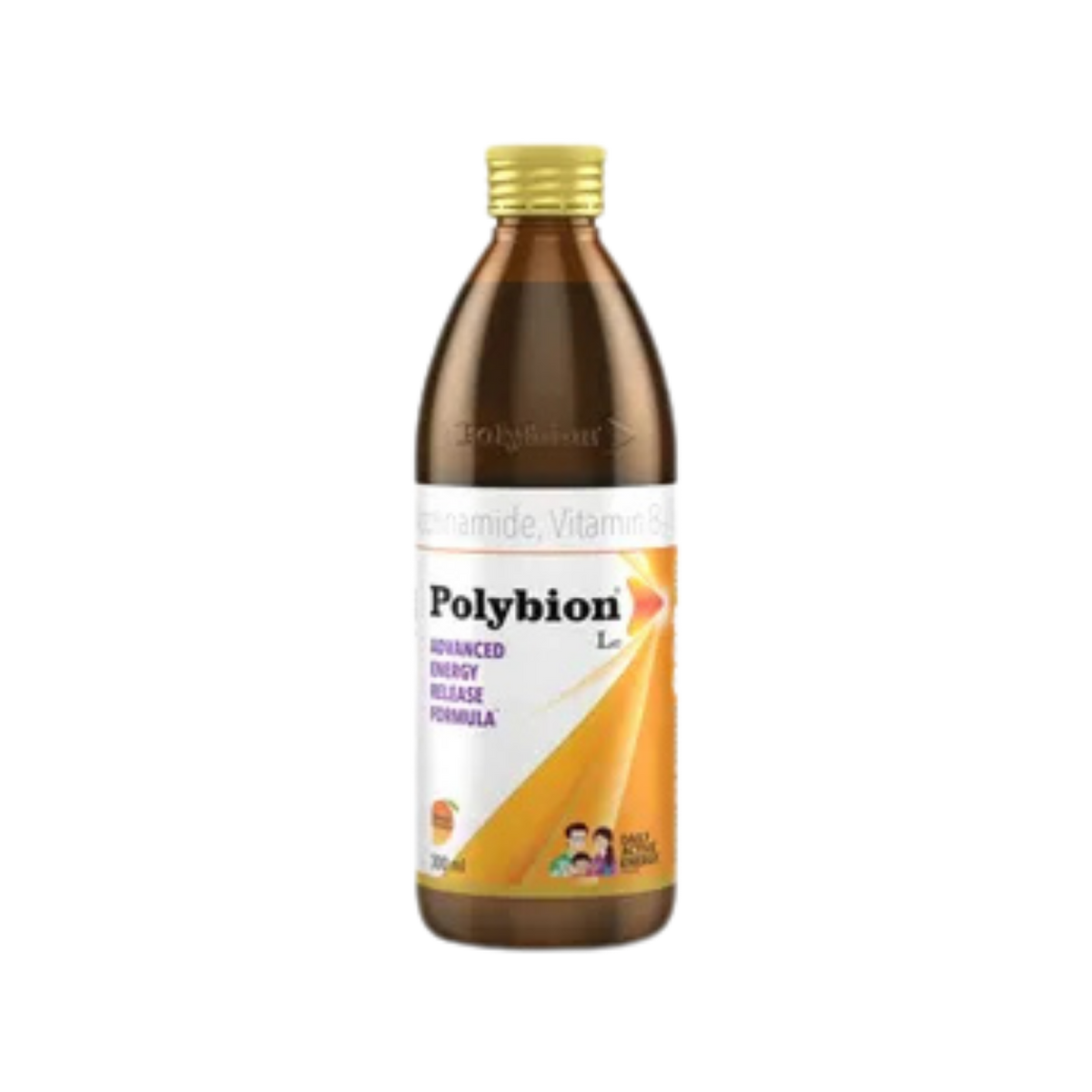
Polybion LC Syrup, 300ml
Polybion LC Syrup, 300ml
By PROCTER
Out of Stock
Couldn't load pickup availability
Check Availability
Rapid 3-4 Day Delivery,Tiny Extra Fee!
-
 Pet Safe
-
 Best Quality
-
 Fast Delivery
-
 Secure Payment


About Polybion LC Syrup
Polybion LC Syrup is an immunity supplement from Procter, in oral syrup form. It contains vitamin B6 (pyridoxine). Vitamin B6 helps the body use protein and make red blood cells.
It is used for general health support. Give it alongside a complete and balanced diet, and speak to your vet first if your animal is unwell or on other medicines.
It can be used in different animal species, so the dose must come from your vet.
Key Ingredients
Key ingredients listed for this product. Amounts are printed on the pack.
| Ingredient | Role |
|---|---|
| Vitamin B6 (pyridoxine) | Vitamin |
How to Use
- Daily amount. Give the amount printed on the pack for your animal's weight, or the amount your vet advises. More is not better with vitamins and minerals.
- Measuring. Shake well before use. Measure with the cup, dropper or a dosing syringe, not a kitchen spoon, and give slowly into the side of the mouth.
- With food. Most pets take supplements best with a meal. You can mix liquids and powders into food or give them directly.
Safety and Precautions
- Supplements support a complete and balanced diet. They do not replace it, or any treatment your vet prescribes.
- Stop and speak to your vet if your animal has vomiting, diarrhoea or seems unwell after starting it.
Also in: Immunity Supplements for Dogs · Immunity Supplements for Cats · All Dog Products
Product Information
| Detail | Information |
|---|---|
| Brand | Procter |
| Active ingredients | Vitamin B6 (pyridoxine) |
| Form | Oral syrup |
| Pack size | 300ml |
| Suitable for | Animals |
| Prescription | Not required |
| Sold by | Goodman Vetcare Pvt. Ltd. (Animeal), Warehouse No - 501 5th floor, Bharat industrial estate, Tokershi Jivraj Rd, Sewree West, Sindhu Nagar, Sewri, Mumbai, Maharashtra 400015 |
Animeal shares this information to help you make informed choices. It is not a substitute for professional veterinary advice. If your pet's condition does not improve or gets worse, please visit your vet.

Polybion LC Syrup, 300ml
Out of Stock
About Polybion LC Syrup
Polybion LC Syrup is an immunity supplement from Procter, in oral syrup form. It contains vitamin B6 (pyridoxine). Vitamin B6 helps the body use protein and make red blood cells.
It is used for general health support. Give it alongside a complete and balanced diet, and speak to your vet first if your animal is unwell or on other medicines.
It can be used in different animal species, so the dose must come from your vet.
Key Ingredients
Key ingredients listed for this product. Amounts are printed on the pack.
| Ingredient | Role |
|---|---|
| Vitamin B6 (pyridoxine) | Vitamin |
How to Use
- Daily amount. Give the amount printed on the pack for your animal's weight, or the amount your vet advises. More is not better with vitamins and minerals.
- Measuring. Shake well before use. Measure with the cup, dropper or a dosing syringe, not a kitchen spoon, and give slowly into the side of the mouth.
- With food. Most pets take supplements best with a meal. You can mix liquids and powders into food or give them directly.
Safety and Precautions
- Supplements support a complete and balanced diet. They do not replace it, or any treatment your vet prescribes.
- Stop and speak to your vet if your animal has vomiting, diarrhoea or seems unwell after starting it.
Also in: Immunity Supplements for Dogs · Immunity Supplements for Cats · All Dog Products
Product Information
| Detail | Information |
|---|---|
| Brand | Procter |
| Active ingredients | Vitamin B6 (pyridoxine) |
| Form | Oral syrup |
| Pack size | 300ml |
| Suitable for | Animals |
| Prescription | Not required |
| Sold by | Goodman Vetcare Pvt. Ltd. (Animeal), Warehouse No - 501 5th floor, Bharat industrial estate, Tokershi Jivraj Rd, Sewree West, Sindhu Nagar, Sewri, Mumbai, Maharashtra 400015 |
Animeal shares this information to help you make informed choices. It is not a substitute for professional veterinary advice. If your pet's condition does not improve or gets worse, please visit your vet.