


Coughing in dogs can be caused by infections, irritants, or allergies. Quick action, proper hygiene, and a clean living space can help prevent respiratory issues. Here's what you can do:
- Vaccinate your dog: Core vaccines (like DHPPiL) and optional ones (like Bordetella) reduce infection risks.
- Keep the environment clean: Regularly clean bedding, toys, and bowls. Use air purifiers and humidifiers to improve air quality.
- Avoid irritants: Minimise exposure to smoke, dust, and chemicals.
- Spot early signs: Look for persistent coughing, lethargy, or difficulty breathing. Seek a vet if symptoms persist or worsen.
- Support immunity: Feed a balanced diet, ensure hydration, and provide rest.
Taking these steps can protect your dog's respiratory health and improve their quality of life.
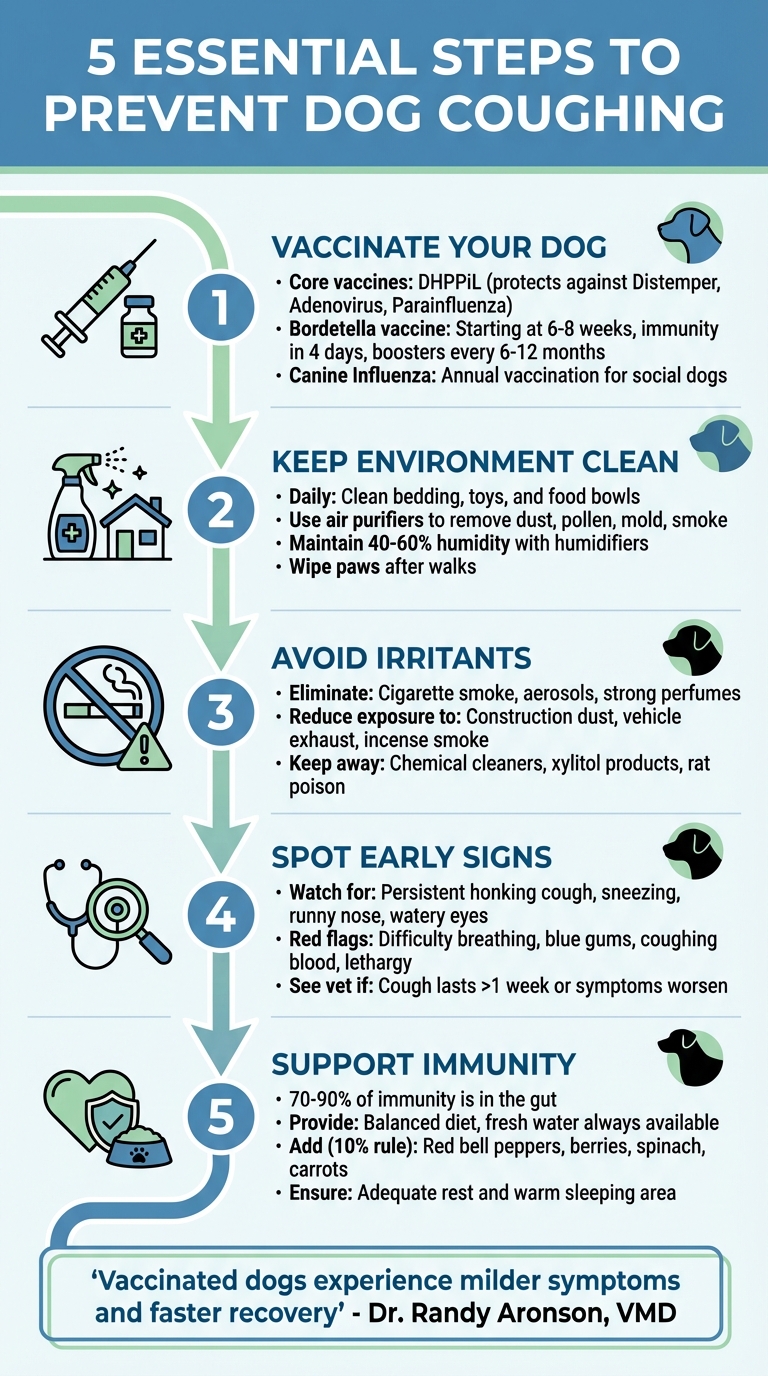
5 Essential Steps to Prevent Dog Coughing and Respiratory Issues
6 Reasons Your Dog Is Coughing (and How to Treat Them Fast!)
sbb-itb-5205b1e
What Causes Coughing in Dogs
Understanding what triggers coughing in dogs - from infections to everyday irritants - is essential, especially in India's bustling urban environments where such issues can be more pronounced.
Respiratory Infections and Illnesses
One of the leading causes of coughing in dogs is Canine Infectious Respiratory Disease Complex (CIRDC), commonly referred to as kennel cough. This highly contagious condition is caused by a mix of bacteria like Bordetella bronchiseptica and viruses such as parainfluenza and adenovirus type 2.
The hallmark sign of CIRDC is a sudden, frequent, honking cough.
Typically, mild cases resolve within 7–10 days.
Other viral infections, like canine influenza (caused by H3N2 and H3N8 strains), and more severe illnesses like canine distemper - which affects not just the respiratory system but also the gastrointestinal and nervous systems - are also common culprits. If left untreated, these conditions can escalate into pneumonia, a serious lung infection requiring immediate veterinary attention.
Vaccinations play a key role in prevention. Core vaccines protect against distemper and adenovirus, while optional vaccines for Bordetella and canine influenza offer immunity for 6 to 12 months.
However, infections aren’t the only concern - environmental factors can also take a toll on your dog’s respiratory health.
Environmental Irritants
In urban settings, dogs are often exposed to irritants like construction dust, vehicle exhaust, and incense smoke, all of which can inflame their airways and cause conditions like tracheobronchitis. Dogs are particularly sensitive to these irritants due to their heightened sense of smell, which makes even minor pollutants a potential source of respiratory distress.
Household products such as air fresheners, deodorants, cleaning sprays, and second-hand smoke can also damage your dog’s respiratory lining, increasing their vulnerability to infections.
Reducing smoke, dust, and similar irritants in your dog’s environment can go a long way in protecting their health.
Festival seasons, especially during Diwali, bring additional challenges. The heavy smoke from fireworks can lead to acute breathing difficulties for dogs.
Alongside these irritants, allergies are another common reason for coughing in dogs.
Allergies and Seasonal Triggers
Dogs can develop allergies that often present as a dry cough. Environmental allergens like pollen, mould, dust mites, and chemical fumes are frequent triggers, while food sensitivities can sometimes provoke similar reactions. Seasonal changes, especially during colder months or in dry weather, can exacerbate these coughing episodes.
Interestingly, about 40% of dogs with tracheal collapse - a condition where the windpipe partially closes - also suffer from periodontal disease, showing how interconnected health issues can worsen coughing. Allergic coughing is often accompanied by other symptoms like sneezing, watery eyes, and a runny nose. These signs can help distinguish allergies from more serious conditions like heart disease, where coughing is more likely to occur at night or when the dog is lying down.
How to Spot Early Signs of Coughing
Catching the signs of coughing early can make all the difference. The quicker you recognise the symptoms, the sooner you can decide whether to monitor your pet at home or seek professional care.
Symptoms to Watch For
One of the most recognisable early signs is a persistent, harsh "honking" cough. This sound is often linked to kennel cough or tracheal problems .
Other symptoms to keep an eye on include sneezing, a runny nose, and watery or discharging eyes . You might also notice your dog showing mild lethargy, lower energy levels, or even a reduced appetite . It's not uncommon for dogs to gag or retch after a coughing episode . A mild fever can also be an early indicator .
The type of cough can give you clues about the underlying issue. A dry, hacking cough often points to allergies or chronic bronchitis, while a wet, phlegmy cough could indicate pneumonia or fluid in the lungs. If the coughing happens mostly at night or when your dog is lying on its side, heart disease could be a factor. Keeping a record of these episodes can be incredibly helpful for your vet.
These symptoms are your cue to assess whether veterinary attention is needed.
When to Visit a Vet
If the symptoms worsen, don’t wait too long to act. For dogs who are otherwise active, you can monitor them at home for a day or two. However, if the coughing lasts more than a week or you notice signs like lethargy, refusal to eat, or difficulty breathing, it’s time to get professional help .
"Promptly contact your veterinarian if symptoms are getting worse, especially if your dog becomes lethargic, refuses food, or develops breathing difficulty."
- Dr. Randy Aronson
Certain warning signs require immediate attention. These include difficulty breathing, pale or blue gums, coughing up blood, or even collapsing . Other red flags are green or yellow nasal discharge, a high fever, or severe lethargy . Puppies under six months and older dogs are particularly vulnerable to complications like pneumonia, so don’t delay if they show any concerning symptoms .
Keep in mind that kennel cough has an incubation period of 2 to 14 days, meaning symptoms might not show up right after exposure.
How to Keep Your Dog's Environment Clean
Creating a clean and safe living space is crucial for minimising respiratory irritants that could cause your dog to cough. A few simple changes can make a big difference in maintaining your dog's respiratory health.
Daily Cleaning Practices
Make it a habit to clean your dog's bedding, toys, and food bowls regularly. These surfaces can collect dust and germs, which may lead to respiratory issues. As Dr. Randy Aronson points out:
"In places like these, dogs either inhale airborne droplets from coughing or sneezing or are exposed to pathogens via shared surfaces like water bowls, toys, and bedding."
After walks, wipe your dog's paws to prevent bringing irritants into the house. It's also a good idea to avoid sharing toys and bowls between pets, as this reduces the risk of spreading germs. If your dog has a tendency to cough, consider using a harness instead of a collar during walks. This helps to avoid putting pressure on the trachea . In homes with multiple pets, isolating a sick dog can prevent the spread of infections .
Now, let’s look at how improving indoor air quality can further protect your furry friend’s respiratory health.
Using Air Purifiers and Humidifiers
Maintaining the right humidity level - between 40% and 60% - can be very helpful, especially during dry winter months. A humidifier can keep your dog's airways moist and reduce irritation . For mild coughing or dryness, you can try steam therapy. Simply let your dog sit in a bathroom filled with steam from a hot shower for 10–15 minutes.
Air purifiers are another excellent tool. They help remove dust, pollen, mould, and smoke from the air, making it easier for your dog to breathe . Combine this with good ventilation to lower the concentration of airborne irritants and pathogens in your home.
Avoiding Harmful Substances
Keep your dog away from harmful irritants like cigarette smoke, aerosols, strong perfumes, and household sprays. Toxic substances such as rat poison and human cough drops containing xylitol should also be kept out of reach . If you use chemical cleaners, avoid applying them in areas your dog frequents.
Vaccinations and Hygiene Practices
Vaccinations and personal hygiene are key to keeping respiratory infections at bay. Together, they help lower the chances of infections that can cause coughing in dogs.
Vaccination Schedule
The Bordetella vaccine is a must for preventing kennel cough, which is the most common bacterial cause of respiratory infections in dogs. Puppies can receive this vaccine as early as 6–8 weeks of age. The intranasal version of the vaccine works quickly, offering immunity within just 4 days. However, this immunity lasts only 6–12 months, so regular boosters are necessary. Dogs that frequently visit boarding facilities or daycare may need boosters every 6 months or annually.
Core vaccines, like DHPPiL, protect against viral infections that can lead to coughing, such as Canine Distemper, Adenovirus type 2, and Parainfluenza. These are typically part of a puppy’s initial vaccination series, with follow-up boosters given annually or every three years, depending on your vet’s advice. Additionally, for social dogs, the Canine Influenza vaccine - covering H3N8 and H3N2 strains - is recommended annually.
Dr. Randy Aronson, VMD, CCRT, CVA, highlights the importance of vaccinations:
"Vaccinated dogs can still get kennel cough from other pathogens but are more likely to experience milder signs and a quicker recovery."
For the best protection, combine these vaccinations with proper hygiene practices.
Hygiene for Dogs and Owners
Good hygiene is just as critical as vaccinations. Start by always washing your hands after handling other dogs or visiting public spaces. This simple habit can stop pathogens from spreading between animals. Since Bordetella bacteria can survive on surfaces for up to 10 days, it’s important to disinfect your dog’s toys, bedding, and food bowls regularly. A solution made with 1 part household bleach to 32 parts water is effective for cleaning.
When out in public, avoid shared water bowls. Bring a portable water bowl for your dog instead. If your dog has recently recovered from a cough, keep them away from other dogs for at least two weeks after their symptoms disappear. They can still be contagious for as long as 8 weeks.
Diet and Hydration for Better Health
Did you know that a dog's gut plays a massive role in its immune system? Experts estimate that 70–90% of a dog's immunity is tied to its gastrointestinal tract. This makes proper nutrition a cornerstone for keeping respiratory infections - and the coughing that comes with them - at bay. Alongside vaccinations and a clean environment, a well-balanced diet helps build your dog's defences. Dr. John Loftus, Assistant Professor of Small Animal Medicine and Nutrition at Cornell University, emphasises:
"Nutrition is vital for optimal immune function. Proteins, fats, and many vitamins and minerals are necessary for immune cells and molecules."
Keeping Your Dog Hydrated
Hydration is just as important as diet. Fresh water should always be available to keep your dog's airways moist and soothe any throat irritation. If your dog isn’t drinking enough, try these tricks: add ice cubes to their water bowl, offer small amounts of low-sodium broth, or provide oral electrolyte solutions. Steam therapy can also help - let your dog sit in a steamy bathroom for 10–15 minutes to ease dryness in the airways.
Foods That Support Immunity
Most commercial dog foods are designed to meet your dog's basic nutritional needs. But you can go a step further by incorporating small amounts of fresh, immune-boosting foods into their meal plan. Just make sure these additions follow the 10% rule - they shouldn’t make up more than 10% of your dog's daily diet. Here are some great options:
- Red bell peppers
- Strawberries and blueberries
- Spinach, carrots, or kale
These can be used as training treats or meal toppers. For dogs recovering from respiratory issues, plain cooked chicken or rice can be gentle on their stomachs. Canine-specific probiotics and fish oils (free from heavy metal contamination) might also help strengthen their immune system.
One critical note: if your dog is unwell or has a compromised immune system, avoid raw diets. According to Cornell University College of Veterinary Medicine:
"A dog with an immunocompromised illness should avoid a raw diet due to the increased exposure to bacteria."
Rest and Warmth
Good nutrition and hydration are essential, but rest and a comfortable environment are just as crucial. Ensure your dog gets plenty of downtime, especially during India's colder months or the monsoon season when respiratory problems tend to flare up. Keep their sleeping area warm and free from irritants like smoke, dust, or strong odours . And remember, human cough drops or syrups are a big no - they often contain xylitol, which is extremely toxic to dogs.
Conclusion
To help prevent coughing in dogs, ensure their vaccinations are up to date, keep their surroundings clean, and consult a veterinarian at the first sign of illness. As the American Veterinary Medical Association explains:
"The best way to protect your dog against CIRDC is to keep their vaccines current. Vaccines not only reduce the chance of your dog becoming ill, they also make your dog less likely to develop severe disease or spread the infection to other dogs."
Besides vaccinations, minimising your dog's exposure to smoke, dust, and household chemicals can protect their airways from irritation. Regularly cleaning items like bedding, toys, and food bowls is another effective way to reduce the spread of germs, especially in homes with multiple pets. Additionally, maintaining heartworm prevention year-round is essential to safeguard your dog's heart and lungs from long-term damage.
If your dog's cough lasts more than a week or is paired with symptoms like lethargy, breathing difficulties, blue gums, or a respiratory rate exceeding 40 breaths per minute, seek emergency veterinary care without delay.
FAQs
How often should I vaccinate my dog to protect them from coughing-related illnesses?
To reduce the chances of coughing caused by illnesses like kennel cough, dogs usually need a booster vaccination every year. This is particularly crucial if your dog spends time in areas where many dogs congregate, such as boarding kennels, dog parks, or daycare centres.
Consult your veterinarian to determine the most suitable vaccination schedule for your dog. Factors like age, overall health, and daily activities can influence the timing. Routine check-ups and vaccinations play a key role in ensuring your pet stays healthy and safeguarded.
When should I take my dog to the vet for a cough?
If your dog’s cough doesn’t go away, gets worse, or comes with other symptoms like trouble breathing, wheezing, tiredness, loss of appetite, or gagging, it’s crucial to contact a veterinarian. These signs could indicate something more serious, especially if they persist for more than a day or two or seem to get worse.
It’s also wise to act quickly if your dog is a puppy, a senior, or has any existing health issues. Getting a vet’s advice early can help prevent complications and keep your dog healthy.
What can I do to improve air quality at home for my dog's respiratory health?
Taking steps to improve indoor air quality can greatly benefit your dog's respiratory health. Start by steering clear of smoke-producing items like candles, incense, or cigarettes, as these can irritate your dog's airways. Investing in an air purifier with a HEPA filter is a smart move - it helps reduce pollutants, dust, and allergens floating around your home.
Another key tip? Keep your home well-ventilated. Open windows when the air quality outside is good, or use exhaust fans to keep fresh air circulating. Regular cleaning also goes a long way. Wash your dog's bedding frequently and vacuum carpets and furniture to cut down on dust and pet dander.
If you happen to live in an area with high pollution levels, keep an eye on local air quality reports. Try to limit your dog's outdoor activities during peak pollution times. These small but meaningful changes can help ensure your furry friend stays healthy and comfortable.


