


Preventing diarrhea in cats is all about maintaining their digestive health through consistent care. Here’s what you need to know:
- Diet Stability: Gradually transition to new foods over 7–10 days. Sudden diet changes can upset their stomach.
- High-Quality Food: Choose easily digestible options with fewer allergens. Avoid artificial additives and low-quality fillers.
- Hydration: Ensure access to clean, fresh water. Wet food can boost water intake, especially for cats prone to dehydration.
- Probiotics & Supplements: Use cat-specific probiotics to support gut health. Avoid human supplements or medications.
- Stress Management: Minimise stress with a calm environment, predictable routines, and pheromone diffusers.
- Hygiene & Safety: Keep litter boxes clean and avoid toxic foods like onions, garlic, and chocolate.
- Routine Vet Visits: Schedule regular check-ups to detect issues early and ensure vaccinations and parasite control.
Quick Tips:
- Feed smaller, frequent meals to ease digestion.
- Monitor stool changes for warning signs like unusual colours or blood.
- Test hydration with the skin tent test and act quickly if dehydration is detected.
Remember: Early action can prevent minor issues from becoming serious. Diarrhea is a symptom, not a disease, so consult your vet if it persists or worsens.
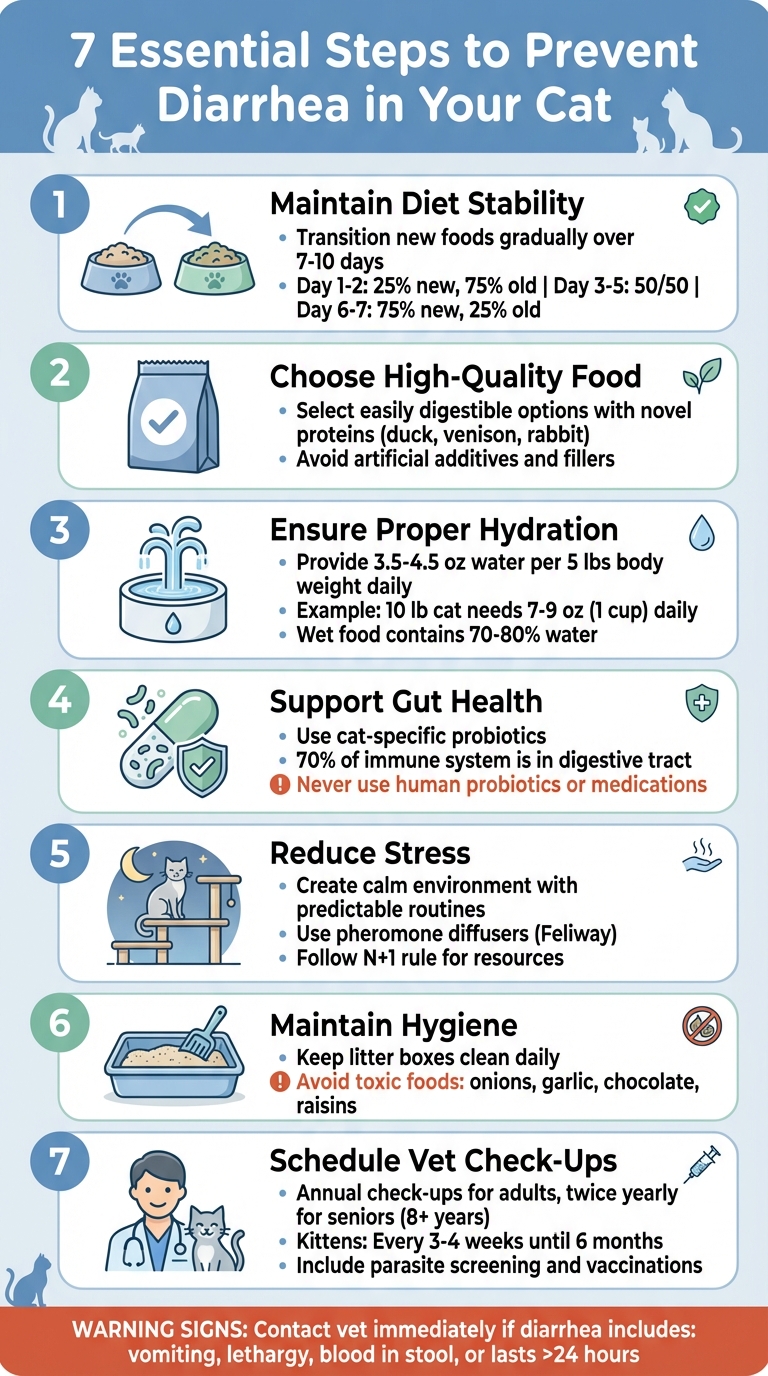
7-Step Guide to Preventing Diarrhea in Cats
Maintain a Consistent Diet
Gradual Food Transitions
A cat's digestive system depends on a stable balance of gut bacteria to function properly. Abruptly changing their food can disrupt this balance, often causing issues like vomiting or diarrhoea. To avoid this, switch their food gradually over 7 to 10 days. For cats with more sensitive stomachs, you might need to extend the transition period to two weeks.
"Transitioning your cat's food over a period of 7 to 10 days, gradually increasing the amount of their new food, and reducing the amount of their old food each day." - Dr. Kurt Venator, Chief Veterinary Officer, Purina
Start with a mix of 25% new food and 75% old food for the first two days. Then move to a 50/50 ratio for the next three days, followed by 75% new food and 25% old food for two more days. If your cat shows no signs of discomfort, you can fully switch to the new food. However, if your cat refuses to eat during this process, slow down immediately. Cats can develop hepatic lipidosis, a dangerous liver condition, if they stop eating for even a day or two. Never withhold food to force a transition - this gradual method ensures their gut bacteria remain stable and reduces the risk of digestive upset.
Choose High-Quality Cat Food
Feeding your cat high-quality, easily digestible food helps improve nutrient absorption and lowers the risk of diarrhoea. Look for foods made with novel protein sources like duck, venison, or rabbit, which are less likely to trigger sensitivities or allergies. Steer clear of products containing artificial colours, flavours, or unnecessary fillers, as these can irritate a sensitive stomach.
In India, trusted brands such as Royal Canin, Farmina, Sheba, and Drools offer specialised formulas for gastrointestinal health or sensitive stomachs. Prescription options like Royal Canin Digestive Care or Hill's i/d Digestive Care are also available through veterinary clinics in major cities. These diets are carefully formulated to provide all the essential nutrients your cat needs while supporting gut health.
Along with choosing the right food, adjusting how you feed your cat can further support their digestion.
Smaller, Frequent Meals
Dividing your cat's daily food intake into smaller portions served every 3 to 4 hours can ease the strain on their digestive system and prevent overfeeding-related issues. Large meals can overwhelm a sensitive stomach, while smaller, more frequent meals allow the body to efficiently absorb water, nutrients, and electrolytes. This feeding approach is particularly beneficial when your cat is recovering from digestive problems, as it provides necessary nutrition while giving the gut time to heal.
"You will end up feeding smaller portions more frequently than what is their usual feeding routine." - Dr. Beth Turner, Veterinarian
What To Feed A Cat With Diarrhea? Treatment, Home Remedy or Food
Ensure Proper Hydration
Just like a balanced diet helps avoid digestive issues, staying hydrated is equally important for keeping your cat's gut in good health. Water plays a key role in digestion and supporting the immune system. When diarrhoea strikes, food moves too quickly through the intestines, preventing absorption and leading to rapid fluid loss. This can escalate into serious, even life-threatening, complications.
Cats often face chronic dehydration because they naturally lack a strong drive to drink water. Their wild ancestors got most of their hydration from prey, which isn't the case for many modern house cats. Cats on dry kibble diets are particularly at risk since they may not drink enough to make up for the lack of moisture in their food. Chronic dehydration can increase the chances of kidney or liver problems, which can worsen digestive troubles. Here’s how you can help your cat stay hydrated and healthy.
Provide Access to Fresh Water
To encourage better hydration, ensure your cat always has access to clean, fresh water. Place water bowls in multiple locations around your home to make it convenient for them to drink. Cats typically need about 3.5 to 4.5 ounces of water daily for every 5 pounds of body weight. For example, a 10-pound cat should drink roughly 7 to 9 ounces (around one cup) of water each day. Clean the bowls daily and refill them to avoid bacteria buildup and to make drinking more appealing.
Many cats prefer running water over still water, so investing in a cat water fountain can be a great idea. Opt for wide, shallow bowls to avoid "whisker fatigue", which happens when a cat’s sensitive whiskers touch the sides of a narrow bowl. You can also experiment with materials like glass, ceramic, or stainless steel to find what your cat prefers. If your tap water has a strong taste or smell, bottled water might be a better option.
Incorporate Wet Food
Adding wet food to your cat’s diet is a simple way to increase their water intake. Wet cat food contains about 70% to 80% water, and just one 5.5-ounce can provides 3.9 to 4.4 ounces of water - nearly half of a 10-pound cat’s daily hydration needs. This is especially helpful for cats prone to dehydration or recovering from diarrhoea.
You can boost hydration further by adding a splash of tuna juice, clam water, or low-sodium chicken broth (free of onions and garlic) to their water bowl. Another option is to mix water or low-sodium broth directly into their dry kibble and warm it slightly. Some cats also enjoy playing with ice cubes in their water bowl, which adds a fun twist to staying hydrated.
Check for Signs of Dehydration
Spotting dehydration early can save your cat from serious health issues. One simple test is the skin tent test: gently pinch the skin between your cat’s shoulder blades and let go. If the skin snaps back quickly, your cat is hydrated. If it stays in a "tent" shape, your cat is likely dehydrated and needs immediate care.
"The best way to tell whether your cat is dehydrated is to (gently) pinch their skin into a small fold and release it. If their skin stays pinched, they are likely dehydrated." - Dr. Richard Patton, Veterinarian and Animal Nutritionist
Other signs of dehydration include sunken eyes, dry or sticky gums, lethargy, a lack of appetite, panting, and reduced urination. Kittens and older cats are especially vulnerable to dehydration-related complications and should be closely monitored during diarrhoea episodes.
For mild dehydration, you can offer rice water (from boiling white rice) to provide some energy and minerals, or use unflavoured Pedialyte or pet-specific electrolyte solutions. Avoid sports drinks like Gatorade, as their high sugar content can irritate your cat’s intestines. If your cat shows severe dehydration symptoms, contact your vet immediately. They may need to administer fluids under the skin or through an IV.
Support Gut Health with Probiotics and Supplements
Maintaining good gut health is key to preventing diarrhoea in cats. Did you know that about 70% of a cat's immune system resides in its digestive tract? This makes gut health a cornerstone for overall well-being. Alongside a consistent diet and proper hydration, probiotics and supplements can play a big role in keeping your cat's digestive system balanced.
Use Cat-Specific Probiotics
Probiotics are live microorganisms that encourage the growth of healthy gut bacteria. They’re especially helpful after antibiotic treatments, during periods of stress (like moving or boarding), or when your cat’s digestion seems off. For instance:
- Lactobacillus acidophilus helps improve stool consistency.
- Bifidobacterium animalis supports recovery after antibiotics.
- Enterococcus faecium helps manage inflammation.
Some probiotic formulations even include BL999, which is known to have calming effects.
"A large part of the immune system of dogs and cats is located in the digestive tract, giving the good bacteria plenty of opportunities to interact with immune cells and support immune health."
- Emily Cross, DVM, DABVP, Purina Veterinarian
Avoid giving your cat human probiotics or yoghurt, as their gut flora is different from ours. Always opt for feline-specific probiotics and consult your vet before starting any new supplement. A simple way to administer probiotics is by mixing the powder into wet food daily. You might notice improvements within four weeks.
In addition to probiotics, keeping your cat hydrated and replenishing electrolytes is crucial during bouts of diarrhoea.
Electrolytes for Digestive Support
When diarrhoea occurs, cats lose fluids and electrolytes quickly. To help them recover, you can provide unflavoured Pedialyte or pet-safe electrolyte solutions in small amounts.
You can also prepare a homemade rice water solution by boiling 1 cup (250 ml) of white rice in 4 cups (1 litre) of water for 10–30 minutes. Let it cool before offering it to your cat. Avoid sports drinks like Gatorade - they contain too much sugar, which can irritate your cat’s digestive system and worsen inflammation.
Once hydration is addressed, fibre supplements can further stabilise digestion.
Safe Use of Supplements
Adding fibre to your cat’s diet can help firm up loose stools. Try mixing in:
- 1–2 teaspoons of plain canned pumpkin.
- 1–4 teaspoons of unflavoured psyllium.
Make sure your cat has access to fresh water when using fibre supplements to avoid blockages in the oesophagus or intestines. If your cat has diabetes, consult your vet before using psyllium, as it may affect blood sugar levels.
Never use human anti-diarrhoeal medications like Pepto-Bismol, Kaopectate, or Imodium. These products contain ingredients that can cause severe issues in cats, such as liver damage, ulcers, or breathing problems. Instead, work with your vet to find safe, prescription-based treatments if needed. Over-the-counter medications may mask symptoms and delay the diagnosis of more serious problems.
When your cat shows signs of recovery, reintroduce their regular food slowly over 7 to 10 days to avoid setbacks. To prevent stress-induced diarrhoea, consider starting probiotics or fibre supplements a few days before potentially stressful events like travel or introducing new pets or people.
sbb-itb-5205b1e
Reduce Stress and Maintain Hygiene
Stress doesn't just affect your cat's mood; it directly impacts their digestive system. When cats feel stressed, their bodies release norepinephrine, often called the "fight or flight" hormone. This hormone speeds up intestinal activity, which can lead to diarrhoea. Understanding and managing your cat's stress is a crucial step in protecting their digestive health and overall well-being.
Create a Calm Environment
Cats are incredibly sensitive to changes in their surroundings. Something as simple as rearranging furniture, having unexpected visitors, or dealing with loud noises can make them anxious. In homes with multiple cats, competition for resources can add to this stress and may even lead to gastrointestinal problems.
To help your cat feel more secure, give them access to elevated resting spots with at least two escape routes. This allows them to observe their environment safely. Follow the "N+1" rule when it comes to resources - provide one more than the number of cats in your home to minimise competition. Keeping a predictable routine for feeding, playtime, and cuddles can also help your cat feel more at ease. You might also consider pheromone diffusers like Feliway, which can create a calming atmosphere. These diffusers often work for four to five hours, and you can enhance their effectiveness by using pheromone sprays on towels or carriers to build positive associations.
"Stressful situations cause a release of norepinephrine – the 'fight or flight' hormone. Responses to this hormone are many and varied – heart rate increases, pupils dilate, and intestinal emptying time speeds up. That means diarrhoea!"
- Deb M. Eldredge, DVM
When your cat is relaxed, they are more likely to use their litter box correctly, making hygiene easier to maintain.
Keep Litter Boxes Clean
A clean environment is essential for your cat's health, especially when it comes to preventing infections that could trigger diarrhoea. Regularly cleaning their litter boxes helps reduce the risk of exposure to harmful bacteria like Salmonella and E. coli. It also allows you to monitor stool changes for early signs of health issues, such as loose stools, unusual colours (yellow or green), or traces of blood or mucus.
For added comfort, place litter boxes in accessible locations, like along walls or hallways, rather than in cramped corners. If your cat buries their waste, check for any residue on their fur near the tail, as it could indicate digestive issues. An increase in litter box visits or signs of straining might also point to gastrointestinal irritation, emphasising the importance of consistent cleaning.
"Regular cleaning reduces the risk of bacterial contamination."
- Farmina Pet Foods
Avoid Toxins and Unsafe Foods
Just as stress can upset your cat's digestion, exposure to toxins or harmful foods can make matters worse. Steer clear of toxic foods like onions, garlic, chocolate, and raisins. Avoid dairy products if your cat is lactose intolerant and skip fatty table scraps, such as bacon or grease, which can irritate their stomach. Never give your cat human medications without consulting a vet. Products like Pepto-Bismol, Kaopectate, or Imodium contain salicylates, which can cause severe side effects, including respiratory issues and hyperglycaemia.
Keep an eye out for household items that could pose a risk, such as string, thread, needles, rubber bands, or small toy parts, as these can cause intestinal blockages. Plants like lilies are extremely toxic to cats, and even non-toxic ones should be kept out of reach. If you're using fibre supplements like Metamucil, make sure they are unflavoured and free of xylitol, a substance highly toxic to pets. Similarly, if offering baby food as a bland diet, ensure it doesn't contain onion or garlic powder.
"Pepto Bismol® is not safe for cats. This medication (as well as Kaopectate®) contains salicylates, which can cause respiratory failure and hyperglycaemia."
- Jennifer Coates, DVM
Lastly, cat-proof your home by removing or securing hazardous items. Keeping your cat indoors can also reduce the risk of them ingesting rodents or birds that might carry parasites or diseases. If you notice symptoms like lethargy, weakness, loss of appetite, frequent vomiting, or bloody stools, contact your vet immediately. Quick action can make all the difference in preventing severe digestive issues.
Schedule Routine Veterinary Check-Ups
Routine veterinary visits are a crucial part of keeping your cat healthy, especially when it comes to spotting digestive issues early. These check-ups can uncover problems like parasites or conditions such as hyperthyroidism before they become severe.
Regular Health Check-Ups
The frequency of veterinary visits depends on your cat's age and overall health. Adult cats generally need an annual check-up, which includes a complete exam with abdominal and thyroid assessments, along with blood tests. Kittens, however, require more frequent visits - every 3 to 4 weeks until they reach about six months old. Senior cats, typically aged 8 or 9 and above, benefit from twice-yearly check-ups.
During these visits, your vet might perform blood tests, such as a complete blood count and biochemistry profile, to check for inflammation, parasites, or organ issues [32,33]. For cats over 7 years old, measuring serum thyroxine (T4) levels is particularly important, as hyperthyroidism can sometimes present symptoms like diarrhoea. Bringing a fresh stool sample (about two tablespoons, free of litter) to each visit can also help screen for parasites or bacterial imbalances.
"Diarrhoea is one of the most common problems that bring cats into the vet. Even a mild case can become serious if not treated early enough."
- Dr. Beth Turner, Veterinarian, Preventive Vet
These regular check-ups not only help detect potential issues but also ensure timely vaccinations and parasite management.
Parasite Control and Vaccinations
Keeping your cat protected from parasites and infections requires routine testing and vaccinations. Annual internal parasite screenings and year-round prevention for intestinal parasites, heartworms, and fleas are essential. Tests like fecal flotation (preferably with centrifugation for greater accuracy) can identify parasite eggs, while direct saline smears can detect protozoa such as Giardia or Tritrichomonas foetus [32,33]. Even indoor cats aren’t immune, so regular testing is still necessary [2,6,30].
Vaccinations are equally important. The feline panleukopenia vaccine (commonly known as feline distemper) prevents severe, potentially fatal diarrhoea [4,31]. Vaccines for Feline Leukaemia Virus (FeLV) and Feline Infectious Peritonitis (FIP) also protect against infections that can cause digestive issues [7,3,9]. Kittens, with their developing immune systems, need vaccinations and screenings every 3 to 4 weeks until they’re about six months old [2,35,30].
In between visits, paying close attention to your cat’s health can make a significant difference.
Monitor Warning Signs
Routine vet visits work hand-in-hand with observing your cat’s daily health. Keep a log of their appetite, energy levels, and bowel habits, as this information can be invaluable during check-ups [4,28]. Regularly inspect the litter box for changes in stool - whether it’s the colour, consistency, or frequency. If your cat defecates outdoors, check the fur around their tail and rump for any signs of staining.
Certain symptoms require immediate attention. If diarrhoea is accompanied by vomiting, lethargy, appetite loss, or abnormal stool (such as black or tarry stools, or stools with bright red blood), contact your vet right away [4,27]. Simple at-home checks, like the skin tent test, can also help you detect dehydration early. Acting quickly can prevent minor health concerns from escalating into serious problems.
Conclusion: Keeping Your Cat Healthy
Key Takeaways
Preventing diarrhoea in cats comes down to a few steady practices. Stick to a stable diet and make any changes gradually. Always ensure your cat has access to clean, fresh water. After antibiotics or periods of stress, consider using feline probiotics to support gut health. Regular vet check-ups, staying on top of vaccinations, and year-round parasite prevention are essential. Between veterinary visits, keep an eye on your cat’s litter box for any changes in stool, as mentioned earlier.
Encouraging Better Care
Expanding on these points, consistent care is key to keeping your cat’s digestive system in good shape. A balanced diet, proper hydration, and a calm, stress-free environment all work together to help prevent digestive issues like diarrhoea. Be vigilant - keep harmful items and table scraps out of reach, and try to minimise stress in your cat’s daily life.
"Diagnosing the underlying cause of persistent diarrhoea early will help prevent long-term changes, which may be irreversible."
FAQs
What should I do if my cat’s diarrhea doesn’t get better even after trying the prevention tips?
If your cat's diarrhea doesn’t get better even after implementing preventive measures, it’s time to reach out to a veterinarian. Diarrhoea that lasts more than 24 hours, or severe cases with symptoms like vomiting, fatigue, or blood in the stool, could point to a deeper health issue that needs professional care.
While waiting for the vet’s advice, make sure your cat stays hydrated, as dehydration can quickly set in with prolonged diarrhea. Avoid giving any over-the-counter medications unless specifically recommended by your vet - some can be dangerous for cats. Acting promptly can help resolve the issue and ensure your furry friend stays in good health.
How can I know if my cat's diet is causing stomach problems?
To figure out if your cat’s diet might be causing their digestive troubles, keep an eye out for certain signs. For instance, loose or watery stools can show up after a sudden change in their food or eating something unsuitable like fatty or spicy foods. Other symptoms to look for include vomiting, blood or mucus in the stool, or more frequent bowel movements, which could hint at food intolerance or allergies.
Make sure to feed your cat a consistent, high-quality diet that matches their age and health needs. If these symptoms don’t go away, it’s best to consult your vet. They can help rule out other potential problems and provide specific dietary advice tailored to your cat’s needs.
What are the signs of stress in cats that could cause diarrhea?
Stress in cats can often result in digestive troubles, including diarrhoea. Watch out for signs like hiding more than usual, increased aggression or irritability, reduced appetite, or excessive vocalisation. Stress can be triggered by factors such as sudden changes in their routine, diet, or environment - moving to a new home or the arrival of another pet are common examples.
To help prevent stress-related diarrhoea, focus on keeping your cat's routine stable, create a quiet and secure space for them, and make any changes in their environment or lifestyle gradually. If the symptoms don't improve, it's best to seek advice from a veterinarian.


