


Lethargy in dogs is more than just tiredness - it’s a drop in energy that signals something may be wrong. If your dog seems uninterested in usual activities, moves slower, or sleeps excessively, it’s time to act. Causes can include health issues (like infections, metabolic disorders, or pain), environmental factors (such as heat or stress), or side effects from medications.
Here’s how you can prevent lethargy in your dog:
- Balanced Diet & Hydration: Feed nutrient-rich meals and ensure fresh water is always available.
- Exercise & Mental Stimulation: Regular walks, games, and puzzle toys help maintain energy levels.
- Comfortable Living Space: Provide a quiet, cosy area for rest and ensure temperature control.
- Regular Vet Visits: Schedule check-ups, keep vaccinations up-to-date, and monitor for health changes.
- Parasite Prevention: Use year-round flea, tick, and deworming treatments to avoid energy-draining infections.
Spot signs early - like skipping walks, ignoring treats, or hiding - and consult a vet if lethargy lasts over 24 hours or is accompanied by serious symptoms like pale gums or laboured breathing. Use tools like the Animeal Pet Health Symptom Checker for quick assessments. A steady routine, proper care, and timely action can keep your dog active and healthy.
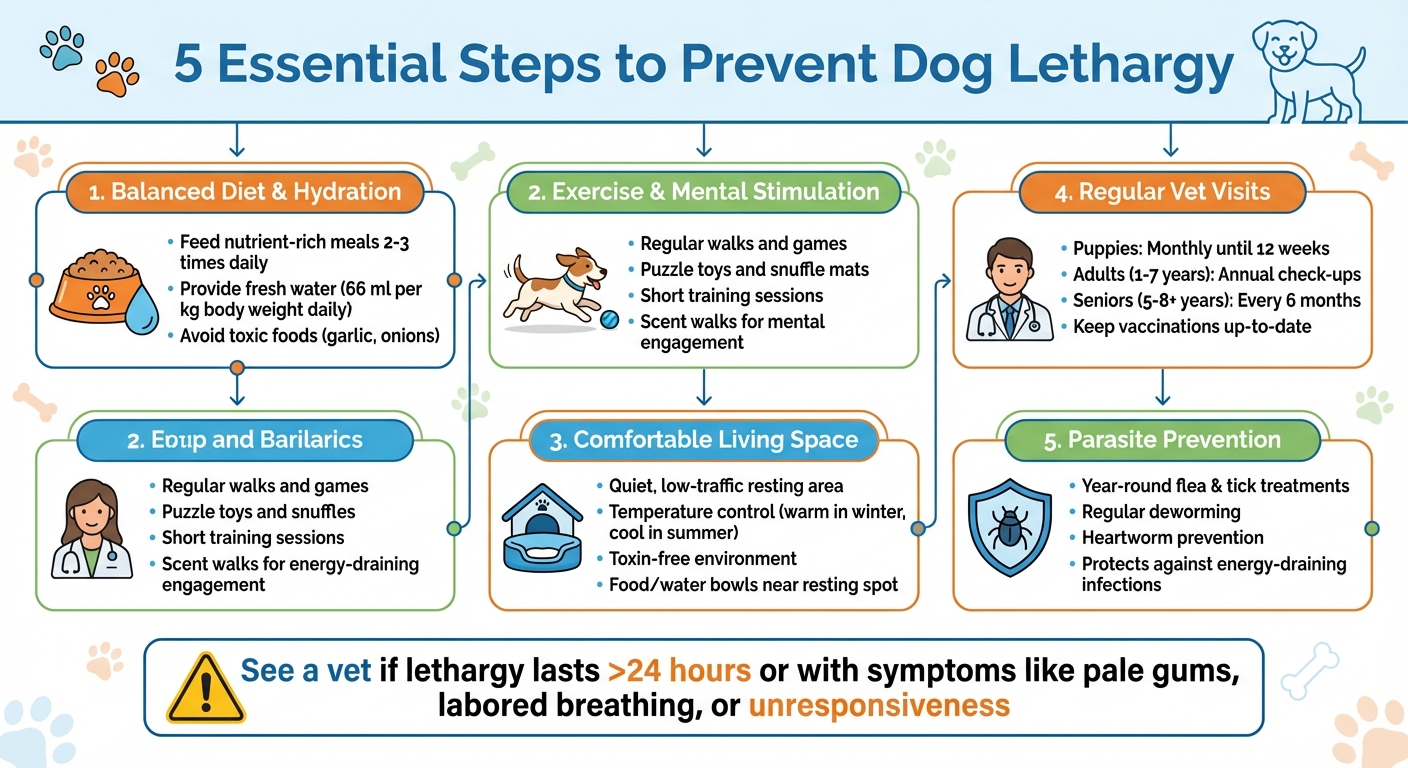
5 Essential Steps to Prevent Dog Lethargy
What Causes Lethargy in Dogs
Lethargy in dogs is often a sign that something isn’t quite right beneath the surface. As Dr. Amy Attas, VMD, points out, simply letting your dog rest won’t solve the problem - finding and addressing the root cause is key. Broadly, the reasons behind lethargy can be grouped into three main areas: health-related issues, environmental factors, and medication or pain-related concerns.
Health Problems and Diseases
Health issues are among the most common reasons for lethargy in dogs. Infections - whether viral (like Parvovirus or Distemper), bacterial (such as Leptospirosis or Kennel Cough), or parasitic (like Heartworm or intestinal worms) - can drain your dog’s energy and may also cause symptoms like fever, vomiting, or diarrhoea. Metabolic disorders, including diabetes, hypoglycaemia, liver disease, and kidney failure, often result in constant fatigue. These conditions may also bring noticeable signs such as excessive thirst, weight loss, or even jaundice.
Endocrine issues like hypothyroidism and Addison's disease can slow down your dog's metabolism, leaving them persistently sluggish. Heart diseases, particularly congestive heart failure, often first appear as lethargy and reduced tolerance for exercise. Similarly, anaemia, cancer, and neurological disorders can significantly impact your dog’s energy levels. Look out for physical signs like pale gums, a swollen abdomen, or visible injuries - these can provide clues to underlying health problems.
Environment and Daily Habits
A dog’s surroundings and daily routine can also play a big role in their energy levels. For instance, India’s hot and humid summers can make physical activity more exhausting, so it’s crucial to keep your dog hydrated and cool. Both inactivity and overexertion can lead to lethargy; a dog that’s cooped up indoors without regular walks may become bored and withdrawn, while one without a proper place to rest might experience temporary fatigue.
Diet is another important factor. Nutritional deficiencies caused by an imbalanced diet or digestive issues can leave your dog feeling drained. Additionally, psychological stressors - such as anxiety or depression triggered by loud noises like thunderstorms or fireworks, or changes in their environment - can also show up as low energy levels.
Medication Side Effects and Pain
Sometimes, a new medication can temporarily affect your dog’s energy. If your dog becomes lethargic shortly after starting a prescription or preventative treatment, it might be linked to the medication. Dr. Attas explains:
"If a dog is taking antibiotics and is acting lethargic, chances are the lethargy stems from the initial medical problem that the antibiotics are being used to treat."
It’s also important to never give your dog human medications like Ibuprofen, as these are highly toxic and can lead to severe lethargy, collapse, or even death. Pain, whether from arthritis, broken bones, torn ligaments, insect stings, or dental problems, can make your dog withdraw from their usual activities. Watch for signs such as crying, hiding, limping, or hesitation to move. A gentle physical examination of your dog’s limbs, mouth, and skin can help you spot injuries or areas of discomfort.
sbb-itb-5205b1e
Spotting Early Warning Signs
Noticing when your dog seems less active than usual can make a big difference in getting them the care they need.
Signs Your Dog May Be Lethargic
A lethargic dog often shows clear changes in behaviour - like skipping walks, ignoring their favourite toys, or spending more time sleeping. Dr. Stephanie Lantry, DVM, describes lethargy this way:
"Lethargy in dogs looks like they are not feeling well. Lethargic dogs sleep more, don't participate in normal activities, move slower, and hide."
You might also notice unusual hiding behaviour, excessive sleep, or slower reactions to familiar sounds.
Another red flag is a loss of enthusiasm for things they usually enjoy. Try a simple 'treat test': offer a favourite treat or pick up the leash. Dr. Lantry adds:
"A tired dog may just be sleeping but is easily roused and ready to pop up if they hear a bag of treats or the jingle of the leash."
If your dog doesn’t respond, it could indicate genuine lethargy.
Physical changes may also accompany this behaviour. Your dog might move more slowly, get tired sooner during activities, or show less interest in exercise. Lethargy can come with other symptoms like vomiting, diarrhoea, shaking, or appetite changes. Puppies, who are normally energetic after naps, might show prolonged sluggishness due to issues like infections or low blood sugar. For older dogs, a noticeable drop in energy levels is worth paying attention to. If you spot any of these signs, it’s time to take a closer look at your pet’s health.
Check Symptoms Online
For a quick assessment, online tools can help you decide how urgent the situation is. The Animeal Pet Health Symptom Checker lets you evaluate your dog’s symptoms and determine whether they need immediate veterinary attention or if monitoring them at home is safe. This tool can save time and help you act appropriately.
When to See a Vet
If lethargy persists for more than 24 hours or is accompanied by serious symptoms like pale gums, a swollen abdomen, laboured breathing, a blue tongue, seizures, or unresponsiveness, contact your vet immediately. In cases where your dog cannot stand or respond to stimuli, carefully move them on a flat, supportive surface to reduce stress and prevent further discomfort.
Daily Care to Prevent Lethargy
Taking care of your dog daily not only keeps their energy levels up but also reinforces your ability to spot early signs of lethargy and understand its causes. Small, consistent efforts can make a big difference in their overall well-being.
Proper Diet and Water Intake
What your dog eats directly impacts their energy. Feeding a balanced diet on a regular schedule - two to three times a day - ensures they get the nutrients they need without overeating. Overeating can lead to bloating or weight gain, which might slow them down. Also, steer clear of harmful human foods like garlic and onions, as these can cause severe weakness or even unconsciousness.
Hydration is just as important. Always provide fresh water to keep dehydration at bay, as it can quickly lead to fatigue. If your dog has diabetes or other metabolic conditions, consult your vet for specific dietary adjustments and keep a close eye on their energy levels.
Exercise and Mental Activities
Keeping your dog active doesn’t just mean physical exercise - it’s about engaging their mind too. Short training sessions are a great way to combine both physical and mental stimulation. For example, a relaxed "scent walk", where your dog can explore new smells, can reduce stress while keeping them engaged.
Mix brisk walks or a game of fetch with interactive activities like hide-and-seek or trick training. Puzzle toys or snuffle mats during meals can turn feeding time into a fun challenge. Remember to adapt these activities to your dog’s breed, age, and energy levels to ensure they get the right kind of exercise.
Creating a Comfortable Living Space
Your dog’s home environment plays a key role in their comfort and energy. Make sure their bed is in a quiet, low-traffic area where they can sleep undisturbed. For older or less active dogs, keep food and water bowls close to their resting spot to minimise unnecessary movement.
Temperature control is also essential. Provide a warm, cosy space during cooler months to ease joint discomfort, and ensure access to cool, shaded areas during India’s hot summers to prevent overheating. Keep your home free from hazards like toxins, chemicals, and accessible garbage to avoid accidental poisoning. When outdoors, always use a leash to prevent injuries that could lead to pain and lethargy.
Daily care is the foundation of your dog’s health, working hand-in-hand with regular vet check-ups to keep them happy and energised.
Regular Health Care Practices
Keeping up with regular vet visits is one of the best ways to ensure your dog stays healthy and active. These check-ups help spot potential health issues early, often before your dog starts showing any clear symptoms.
Vet Visits and Vaccinations
How often your dog needs to visit the vet depends largely on their age. Puppies require monthly check-ups until they reach 12 weeks, mainly for vaccinations and parasite screenings. Another visit is usually recommended between 6 months and a year. For adult dogs (ages 1–7), an annual wellness exam is essential to monitor for issues like dental disease or obesity. Did you know that more than 80% of dogs older than three years develop some form of dental disease? For senior dogs (ages 5–8+, depending on their breed), vet visits should happen every six months, as they are more likely to develop chronic conditions or age-related health changes.
"Bringing your pet for regular examinations is your best insurance against more severe illnesses." - Dr. Juli, DVM
Staying on top of vaccinations is just as important. Core vaccines like DHPP (which protects against Distemper, Hepatitis, Parvovirus, and Parainfluenza) and Rabies shield your dog from serious viral infections that can lead to extreme lethargy or even death. This is especially crucial in India, which accounts for nearly 60% of the world’s rabies cases. Rabies vaccines typically cost between ₹200 and ₹600. Non-core vaccines, such as Leptospirosis (₹500 to ₹1,000), are recommended if your dog swims in natural water or lives in flood-prone areas, as the infection can cause liver and kidney failure. The Bordetella vaccine is also important for dogs that frequent parks, groomers, or boarding facilities. Full puppy vaccination packages usually range from ₹2,000 to ₹3,500.
In addition to vaccinations, monitoring your dog’s weight is a simple yet effective way to detect hidden health issues.
Monitoring Weight and Age-Related Changes
Keeping an eye on your dog’s weight can help identify early signs of metabolic or chronic conditions. For example, hypothyroidism can lead to weight gain and lethargy by slowing metabolism, while diabetes and kidney disease often cause weight loss and weakness. Alarmingly, over 50% of dogs are considered overweight or obese, which can strain their heart and joints, creating a vicious cycle of inactivity and further health problems.
Using a Body Condition Score (BCS) chart every month can help you evaluate your dog’s physical condition. Ideally, you should be able to feel their ribs without seeing them, and their waist and abdominal tuck should be noticeable. Senior dogs, in particular, may lose muscle mass even if their weight remains stable, as fat tends to replace muscle over time. This can lower their stamina and energy levels. Look out for behavioural changes like stiffness, hesitation to climb stairs, or confusion - these could be signs of osteoarthritis or cognitive decline.
A simple way to track your dog’s health is by noting how far or how long they can walk comfortably. A noticeable drop in stamina could signal heart issues or pain that needs immediate attention.
Deworming and Parasite Prevention
Parasite control plays a big role in maintaining your dog’s energy levels. Both internal and external parasites can sap your dog’s strength, leaving them sluggish. A year-round schedule for heartworm, flea, and tick treatments is essential to prevent diseases like Lyme disease or Anaplasmosis, which can cause sudden fatigue. Regular deworming is equally important to keep intestinal parasites at bay, as these can rob your dog of essential nutrients and cause weakness.
Conclusion
Keeping lethargy at bay requires a steady routine, attentive care, and regular health check-ups. Dogs thrive on consistency - structured feeding schedules, routine walks, and mental stimulation can keep your furry friend active and engaged. Make sure they have access to fresh, cool water (about 66 ml per kg of body weight daily) and a protein-rich diet, especially during India's warmer months, to maintain their energy levels and overall vitality.
Pay close attention to any changes in your dog's usual behaviour. If they seem uninterested in their favourite activities, move sluggishly, or fail to bounce back after resting, it’s a sign to intervene. The Animeal Pet Health Symptom Checker is a helpful tool to assess whether their symptoms call for immediate veterinary care or can be monitored at home.
As mentioned earlier, regular vet visits, timely vaccinations, and parasite control are essential for long-term health. These preventative steps can help identify potential issues before they escalate into serious problems like lethargy. Acting promptly when lethargy appears can make a big difference in ensuring your dog's continued well-being.
FAQs
What are the signs that my dog might be feeling lethargic?
Lethargy in dogs is often easy to spot through a noticeable dip in their energy levels. You might observe signs like less interest in play, a lack of excitement for food or treats, or hesitation to participate in everyday activities. A dog experiencing lethargy might appear unusually tired, move sluggishly, or retreat to quiet corners more often than usual.
If these behaviours catch your attention, keep a close eye on your dog's actions. Recognising changes early can be crucial. Tools like a pet health symptom checker can help you evaluate their condition and determine if a trip to the vet is needed.
How can I tell if my dog is just tired or if their lethargy is a cause for concern?
It’s perfectly normal for dogs to feel a bit tired after a long walk or an active day of play. But lethargy? That’s a different story and could be a sign of an underlying health issue. Here’s how to tell the difference: Tiredness means your dog might be resting or sleeping more than usual but still perks up at the sound of your voice, gets excited about meals, or shows interest in their favourite activities like walks or playtime. Lethargy, however, is characterised by a noticeable lack of energy, disinterest in things they usually love, and unusual inactivity - even when they’re awake.
If your dog seems persistently sluggish, isn’t interested in food or treats, or doesn’t respond as they normally would, it’s time to pay attention. Monitor their symptoms closely, and don’t hesitate to consult a veterinarian. For a quick way to assess your pet’s condition and figure out what to do next, try using the Animeal Pet Health Symptom Checker. Spotting the early signs can make all the difference in ensuring your dog gets the care they need right away.
What should I do if my dog seems lethargic for more than a day?
If your dog's lethargy stretches beyond 24 hours, it's crucial to act quickly. Start by checking for any other concerning signs like pale gums, trouble breathing, vomiting, bloody diarrhoea, or severe weakness. These could indicate a serious health problem, and in such cases, contacting a veterinarian immediately is essential.
While waiting for professional help, make sure your dog is resting in a quiet and comfortable spot. Observe closely for any changes in their behaviour or physical state. If the situation worsens - such as your dog collapsing or being unable to stand - head to the nearest veterinary clinic without hesitation.
For ongoing but less urgent lethargy, book an appointment with your regular vet. Pinpointing the cause early can help avoid potential complications, as lethargy can stem from various issues, ranging from mild infections to more severe conditions. If you're uncertain about your dog's symptoms, you can use the Animeal Pet Health Symptom Checker to guide your next steps.


