


If your cat is scratching, licking, or biting more than usual, it could signal an underlying issue like fleas, allergies, or stress. This behaviour can lead to bald spots, sores, or infections if not addressed. Here’s a quick guide to help you manage and prevent excessive scratching:
- Common causes: Fleas (over 50% of cases), food allergies (12%-21%), environmental irritants (e.g., dust, pollen), and stress.
-
Prevention tips:
- Vet care: Regular check-ups and flea control (70% of itchy cats improve with consistent flea treatments).
- Grooming: Brush regularly and use cat-safe shampoos.
- Diet: Try hypoallergenic food if allergies are suspected.
- Home changes: Provide scratching posts, use pheromone diffusers, and maintain a clean space.
Watch for signs like redness, bald patches, or unusual grooming. If scratching persists, consult a vet to rule out medical conditions and create a tailored plan.
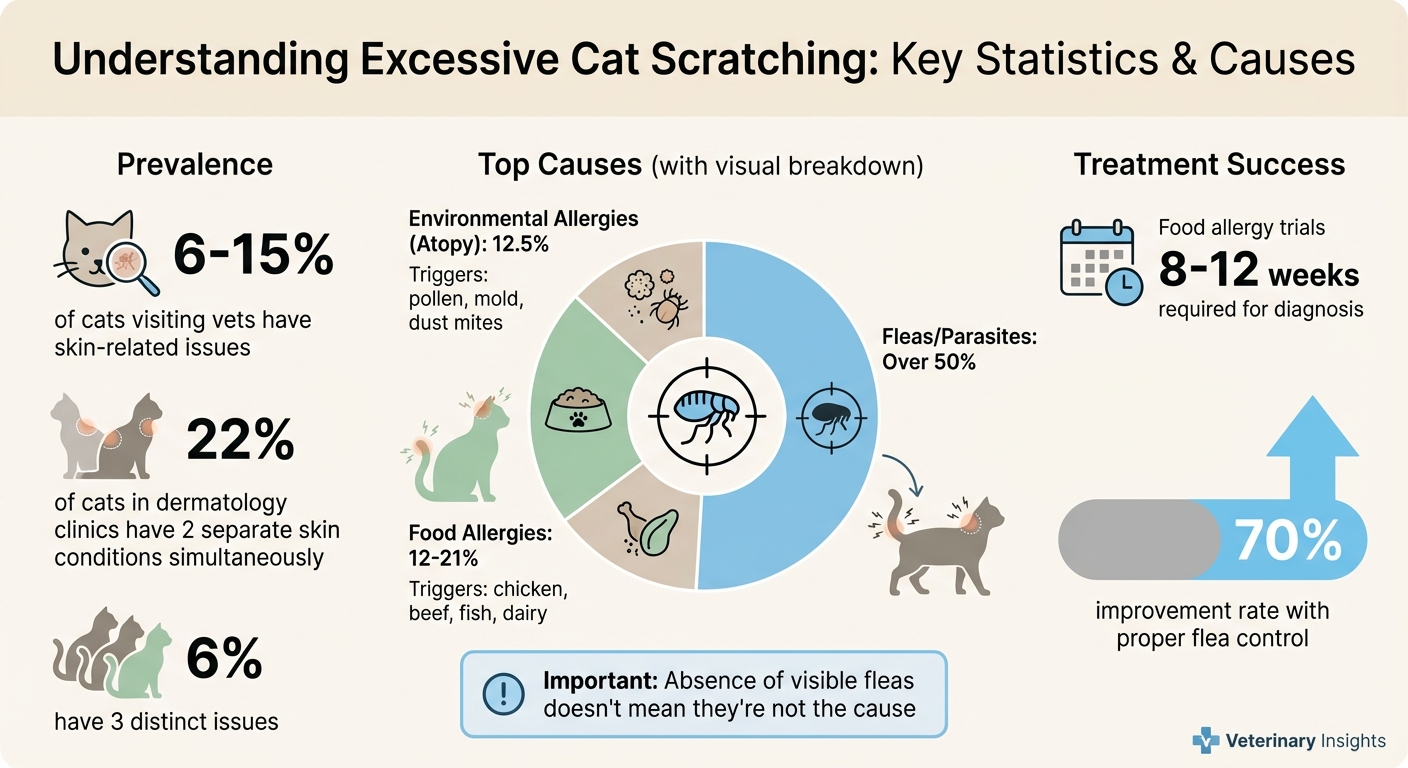
Cat Scratching Statistics: Common Causes and Treatment Success Rates
How to Get Your Cats to Stop... Everything You Hate: Every No Needs a Yes!
sbb-itb-5205b1e
Common Causes of Excessive Scratching in Cats
Figuring out why your cat is scratching excessively is crucial for effective treatment. Research indicates that 6% to 15% of cats visiting the vet suffer from at least one skin-related issue. These triggers generally fall into two categories: medical conditions and environmental or behavioural factors.
Medical Causes
One of the most common reasons for itching is parasites. Fleas alone are responsible for over half of all cases where cats experience itchiness. Other parasites, such as ear mites, mange mites, ticks, and lice, can also cause irritation, particularly around the tail, neck, and ears. Often, you’ll notice flea dirt - small black specks that are actually flea droppings - near these areas.
Allergies are another frequent culprit. Cats can suffer from flea allergy dermatitis, which is an extreme reaction to flea saliva. Other types include food allergies, often triggered by proteins like chicken or beef, accounting for 12% to 21% of cases. Environmental allergies, or atopy, affect about 12.5% of cats and can be caused by pollen, mould, or dust mites. Contact allergies to substances like chemicals or plants typically result in scratching on the face, groin, and limbs, often accompanied by symmetrical hair loss.
Skin infections also play a role. Fungal issues like ringworm can cause circular bald patches, while bacterial or yeast infections, such as feline acne or abscesses, lead to significant discomfort. Other contributors include dry skin, poor nutrition, endocrine disorders like hyperthyroidism, and even localised pain from conditions such as urinary infections.
"The medical term for itching is pruritus. Itching is defined as an unpleasant sensation within the skin that provokes the desire to scratch." – Dr Karen A. Moriello, DVM, DACVD, University of Wisconsin-Madison
But it’s not just medical issues - your cat’s environment and behaviour can also be major factors.
Environmental and Behavioural Triggers
Environmental allergens like house dust mites, seasonal pollen, mould spores, and grass seeds are common irritants. Additionally, certain cleaning products, scented air fresheners, perfumes, specific types of cat litter, or even new carpets can cause skin reactions and trigger atopy.
Stress and anxiety are another big cause of excessive scratching. Cats sometimes scratch or lick to release endorphins, providing temporary relief from anxiety. However, this behaviour can become habitual, especially in sensitive breeds like Siamese, Abyssinian, Burmese, and Himalayan cats. Major changes, such as moving to a new home, the addition of a new pet or baby, or alterations in daily routines, often escalate this stress-induced behaviour.
"Compulsive grooming leading to fur loss, known as psychogenic alopecia, is usually triggered by a change in the cat's daily routine or environment, such as moving to a new house or the arrival of a new family member." – Dr Natalie Stilwell, DVM, MS, PhD
Indoor cats, in particular, may scratch compulsively out of boredom or stress, even after the initial medical issue has been resolved. Interestingly, in specialised dermatology clinics, 22% of cats were found to have two separate skin conditions simultaneously, with 6% suffering from three distinct issues. By understanding both medical and environmental causes, you can take the necessary steps to address and prevent excessive scratching.
How to Prevent Excessive Scratching
Once you've pinpointed the reasons behind your cat's scratching, it's time to take action. With consistent care and a few adjustments, you can help reduce or even stop this behaviour. Here's what works.
Schedule Regular Vet Visits
Routine vet visits are essential. Parasites, especially fleas, are a common culprit for itching. Did you know that about 70% of itchy cats referred to specialists see improvement after starting a solid flea control plan?. Your vet can perform tests like skin scrapings, flea combing, and microscopic analysis to rule out issues like mites, ringworm, or bacterial infections. Catching these problems early means faster treatment and fewer complications.
"The absence of visible fleas is not enough to say that fleas are not causing the itchiness." – Cats.com
Your vet can also prescribe preventative medications and create a treatment plan tailored to your cat, addressing allergies, infections, or other underlying causes.
Follow Proper Grooming Practices
Regular grooming does more than keep your cat looking good - it helps you spot problems early. Brushing removes loose hair, dirt, and mats, while exposing warning signs like redness, scaling, or flea dirt. It's also a chance to check for parasites or other skin abnormalities.
When it comes to bathing, stick to cat-specific shampoos. Human shampoos can mess with your cat's skin pH and make irritation worse. Only bathe your cat when absolutely necessary, like if they've gotten into something toxic or are severely matted. For cats with pale or white fur, using a cat-safe sunscreen on their ears and nose during summer can prevent sunburn, which could lead to itching or even skin cancer in extreme cases.
"Regularly grooming your cat won't necessarily prevent parasites, but it will at least let you have a chance to check their fur for any signs of unwanted visitors, so that you can quickly seek treatment." – Purina
Switch to Hypoallergenic Food
If food allergies are suspected, your vet might suggest a strict dietary trial lasting 8 to 12 weeks. Common allergens include beef, fish, chicken, and dairy. Hypoallergenic diets typically fall into two types: hydrolysed protein diets, where proteins are broken down into smaller, non-reactive molecules, and novel protein diets, which use proteins your cat hasn't been exposed to before, like rabbit, duck, or kangaroo .
During this trial, it's crucial that your cat eats ONLY the prescribed food - no treats, table scraps, or flavoured medications. Even one bite of the wrong food can ruin the results. Veterinary-exclusive diets are often better than retail "limited-ingredient" options because they follow stricter protocols to avoid cross-contamination with allergens. Once the allergen is identified, you and your vet can create a balanced long-term diet that avoids the trigger. Many hypoallergenic foods also include Omega‑3 and Omega‑6 fatty acids to help with skin inflammation, along with supplements like biotin or niacin to strengthen the skin barrier.
These steps - vet care, grooming, and diet - lay the groundwork for managing your cat's scratching effectively.
Products and Tools to Manage Scratching
While vet care and dietary adjustments are essential, the right products can play a big role in managing your cat's scratching and protecting their skin from further harm. These tools and treatments can help break the cycle of irritation and scratching.
Anti-Itch Sprays and Creams
Topical treatments are great for soothing inflamed skin and interrupting the itch–scratch cycle. Scratching often worsens inflammation, which leads to more itching - it's a tough loop to break. Over-the-counter (OTC) sprays and mousses containing ingredients like aloe vera or colloidal oatmeal can help ease mild irritation. For bacterial infections caused by excessive scratching, antiseptic products with chlorhexidine - like Douxo S3 PYO Pads (around ₹2,000) - can help manage secondary infections.
When using these products, apply them only to unbroken skin. For raw or oozing areas, prescription treatments are necessary, and you'll need to prevent your cat from licking the area by using an Elizabethan or soft inflatable collar. If you're using medicated shampoos, make sure to rinse thoroughly to avoid leaving behind residue that could irritate the skin further.
"Inflammation promotes itchiness, and the resulting scratching can cause further skin damage, which can start a vicious cycle of inflammation, skin damage, and more inflammation." – Cornell Feline Health Center
Trim Claws and Use Soft Caps
Regularly trimming your cat's claws - every 2 to 4 weeks - can prevent overgrowth, curling, and accidental injuries to their paw pads. Use cat-specific scissor-style clippers, and be careful to avoid the pink quick, which contains blood vessels and nerves.
Soft claw caps are another handy tool. These vinyl coverings are glued onto trimmed nails to blunt their tips, reducing damage from scratching while still allowing your cat to extend and retract their claws naturally. Most cats get used to them quickly. The caps need to be replaced every 4 to 6 weeks as the nails grow and shed naturally. However, keep in mind that these caps are suitable only for indoor cats, as they limit the natural defences cats rely on when outdoors.
"If you make this as nonchalant as possible, they will respond to it better and see it as a way of life as opposed to punishment." – Bri Harris, Owner, Rustic Retreat Pet Spa
When combined with proper grooming and a balanced diet, these tools can help create a healthier, itch-free life for your cat.
Long-Term Prevention and Home Adjustments
Taking steps to adjust your home environment can go a long way in supporting your cat's skin health and reducing excessive scratching. Beyond routine care, these changes create a balanced approach that not only prevents scratching but also channels your cat's natural behaviour in a positive way. A well-prepared home can make a big difference in keeping your cat comfortable and your furniture intact.
Add Scratching Posts and Toys
Scratching is a natural behaviour for cats - it helps them maintain their claws, stretch, and mark their territory. This starts as early as kittenhood. The trick is to guide this instinct toward appropriate surfaces. Offering a mix of scratching options, like vertical posts, horizontal pads, and angled scratchers, ensures your cat finds something they enjoy. For vertical posts, aim for a height of at least 76 cm (about 30 inches) with a sturdy base, as cats tend to avoid wobbly structures. If you have multiple cats, provide one post per cat, plus an extra.
"The best location to place the post... is where the cat has already chosen to scratch." – Gary Landsberg, DVM
To make new posts more appealing, try rubbing catnip or silvervine on them or spraying them lightly with catnip tea. Wand toys can also be used to guide your cat to the scratcher, and rewarding them with treats reinforces the behaviour. To protect your furniture, cover targeted areas with double-sided tape, aluminium foil, or thick blankets. Regular play sessions - about 20 minutes - can also help burn off excess energy and reduce stress-related scratching. These steps work together to encourage healthier scratching habits.
Try Pheromone Diffusers
Stress and anxiety often trigger excessive scratching. Synthetic feline pheromone diffusers or sprays can help by mimicking the natural scents cats leave when they rub their faces on objects. This creates a calming effect, making your cat feel more secure and less likely to scratch inappropriately. Pair this with cleaning scratched areas using unscented soapy water to remove scent markers that might encourage repeat behaviour. Avoid harsh cleaning chemicals or strong fragrances, as they can irritate your cat's skin and respiratory system.
Keep Your Home Clean and Allergen-Free
A clean home plays a key role in managing your cat's skin health. Regularly vacuum and steam-clean carpets and upholstery, wash bedding in hot water, and clean the litter box daily to minimise allergens. Switch out plastic food and water bowls for stainless steel or ceramic ones to prevent feline acne, which can be caused by bacteria lingering on plastic. Always rinse bowls thoroughly to remove detergent residue.
Using a humidifier can help prevent dry, itchy skin, especially in colder months. For cats with lighter coats, limit sun exposure during peak hours (11 a.m. to 4 p.m.) to avoid sunburn, which can lead to skin irritation and crusting.
"Skin issues are common in cats and may affect as many as six to fifteen per cent of cats, according to Cornell Feline Health Centre." – Mohawk Animal Hospital
Finally, ensure all pets in your home are on year-round flea and tick prevention. Even a single flea bite can cause a severe allergic reaction in sensitive cats. By maintaining a clean, allergen-free space, you create an environment that promotes your cat's skin health and reduces their urge to scratch.
Conclusion
Excessive scratching in cats is often a sign of an underlying issue. As Dr Karen A. Moriello from the University of Wisconsin‑Madison explains, "Itching is a sign, not a diagnosis or a specific disease". The causes can range from medical issues like parasites, infections, or allergies to environmental factors such as stress or boredom. The first step is always a veterinary diagnosis - especially since 70% of itchy cats show improvement with consistent flea control.
Preventing excessive scratching requires a well-rounded approach. This includes year-round parasite protection, regular grooming to catch early warning signs, and hypoallergenic diets if food allergies are suspected. Environmental changes, like adding scratching posts or using pheromone diffusers, can also help. Observing your cat closely is crucial to identifying when normal grooming crosses into excessive behavior.
Keeping your home clean and allergen-free is another important step to break the cycle of scratching and inflammation. Pairing this with proper grooming, balanced diets, and maintaining humidity levels can significantly improve your cat’s skin health. Activities like playtime and consistent routines also provide mental stimulation, which contributes to their overall well-being.
FAQs
How can I know if my cat's scratching is due to stress or a health problem?
Understanding why your cat is scratching excessively can help determine if it’s due to a medical issue or stress. Medical causes like allergies, parasites, or skin infections often come with other symptoms such as redness, hair loss, wounds, or visible fleas or mites. These issues require a veterinarian’s diagnosis and treatment.
In contrast, stress-related scratching might stem from changes in the environment, boredom, or anxiety. This type of scratching often appears with behaviours like excessive grooming or licking, especially in specific areas, but without signs of infection or parasites.
If your cat’s scratching is severe, persistent, or causing skin damage, it’s crucial to consult a veterinarian to rule out medical problems. If stress is the likely cause, focus on reducing stressors, offering toys or other forms of enrichment, and creating a safe, comfortable space for your cat. Regular vet visits can also help catch and address potential issues early.
What are some simple home remedies to relieve my cat’s itchy skin?
If your cat has itchy skin, there are a few remedies you can try at home, but make sure to check with your veterinarian before starting any treatment. One option is coconut oil, which can be applied in small amounts to hydrate dry skin and ease itching. Another soothing option is aloe vera gel, but use it sparingly and only after getting approval from your vet. For dry or flaky skin, colloidal oatmeal baths or topical applications can help calm itchiness and reduce inflammation.
Adding omega-3 fatty acids to your cat’s diet, such as through fish oil or oily fish like sardines, may also support healthier skin over time. Beyond that, keeping your cat’s environment clean and identifying possible allergens - like dust or certain cleaning products - can minimise irritation. However, if the itching doesn’t improve or gets worse, it’s important to consult a veterinarian for further guidance.
How can I introduce hypoallergenic food to my cat safely?
To safely introduce hypoallergenic food to your cat, start with a vet-recommended elimination diet trial that typically lasts 8 to 12 weeks. During this period, your cat should eat only the prescribed hypoallergenic food. That means no sneaky treats, table scraps, or even flavoured medications. If your cat is an outdoor explorer, it's best to keep them indoors during the trial to prevent accidental exposure to allergens.
Before you begin, it's crucial to consult your veterinarian. They’ll help you choose the right hypoallergenic food and keep an eye on your cat’s progress. If your cat does have a food allergy, you should notice symptom improvement during the trial. Once the trial ends, proteins can be reintroduced slowly and carefully under your vet’s supervision to identify the specific triggers. This step-by-step approach helps ensure your cat stays healthy and comfortable.
Related Blog Posts
- How to Prevent Coughing in Your CAT
- How to Prevent Itching in Your Dog
- How to Prevent Itching in Your CAT
- How to Prevent Excessive scratching in Your Dog


