


Dogs scratch occasionally, but when it becomes constant, it's a sign of an underlying issue. The causes range from allergies and parasites to infections and dry skin. In India, factors like humid weather, monsoons, and allergens such as dust mites or pollen can worsen the problem. Here's a quick guide to help your dog stay itch-free:
- Identify Allergies: Common triggers include pollen, mould, and food like chicken or wheat. Watch for seasonal patterns or persistent symptoms.
- Check for Parasites: Fleas, ticks, and mites thrive in India's warm climate. Use vet-approved preventive treatments and inspect your dog regularly.
- Prevent Infections: Excessive scratching can lead to bacterial or yeast infections. Look for redness, scabs, or foul-smelling skin.
- Grooming Routine: Bathe with hypoallergenic shampoos (₹100–₹350) and brush daily to remove allergens and prevent matting.
- Diet Adjustments: Add Omega-3 fatty acids for skin health and consider an elimination diet to pinpoint food sensitivities.
- Clean Living Spaces: Wash bedding, vacuum frequently, and use pet-safe cleaning products to reduce allergens and parasites.
If your dog continues to scratch excessively despite these measures, consult a vet. Early intervention can prevent complications like hair loss or secondary infections.
Why Is My Dog So Itchy? Stop the Scratching with These 5 Remedies!
What Causes Dogs to Scratch Excessively
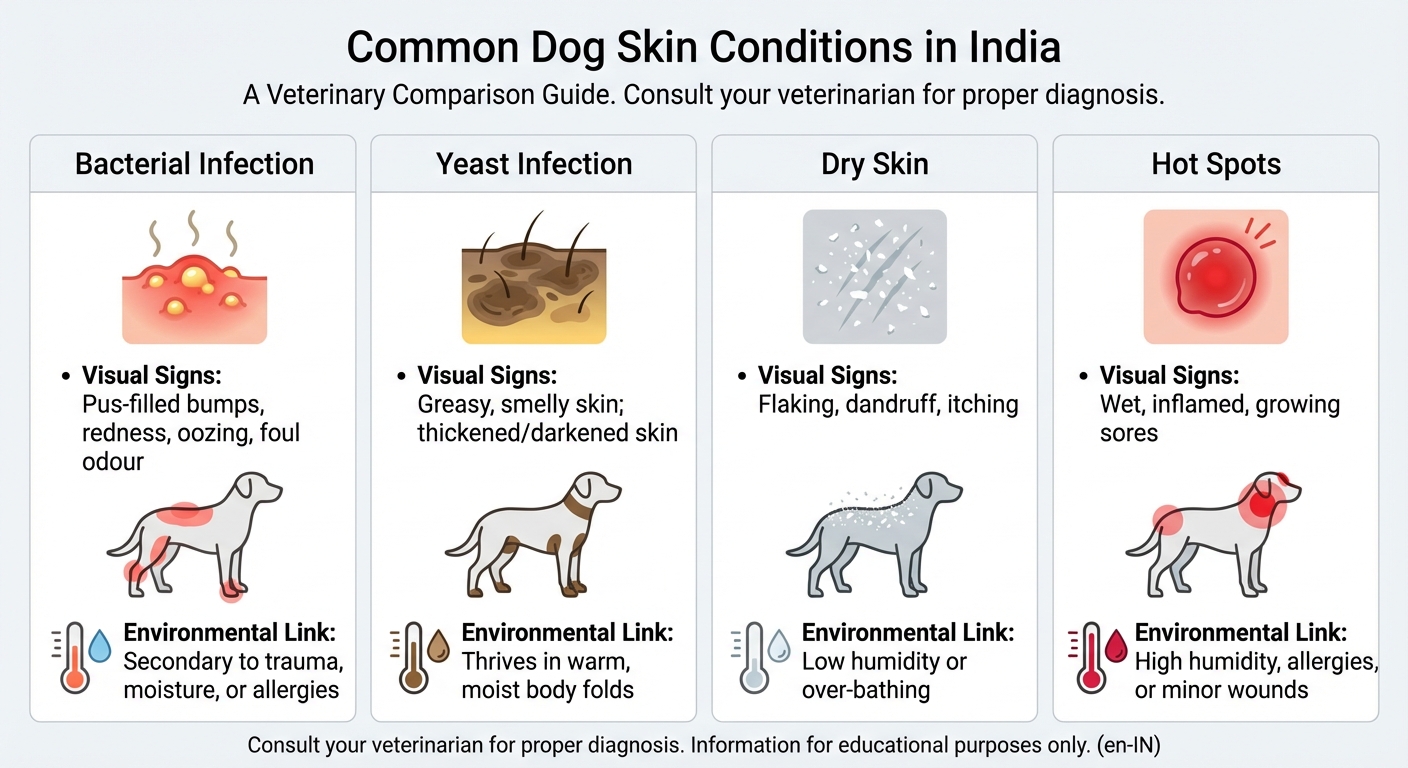
Common Dog Skin Conditions: Visual Signs and Environmental Causes
Excessive scratching in dogs can be frustrating to witness and distressing for your furry friend. In India's diverse climate, several factors can set off this relentless itch. Let's dive into the key reasons behind it.
Allergies
Environmental allergens are a major cause of itching in dogs. Common triggers include pollen from trees, grasses, and weeds, as well as dust mites and mould spores. India's warm and humid conditions often lead to high allergen levels, causing redness, rashes, and itching. Dogs typically show symptoms between 6 months and 3 years of age. Atopic dermatitis, a common skin condition, affects 10–15% of dogs, with 40–75% of cases showing seasonal patterns. The itching usually targets areas like the paws, ears, muzzle, groin, and armpits.
Food allergies, though less common (accounting for about 10% or fewer cases), can also result in scratching. Proteins in chicken, beef, and dairy, along with grains like wheat and gluten, are typical culprits. If food allergies are the issue, you might notice itching around the ears, paws, belly, and face.
India's climate adds another layer of complexity. Dust mites and mould thrive year-round in the humid environment, while seasonal changes bring waves of pollen-related allergies.
But allergies aren’t the only cause - parasites are another common problem.
Parasites
India's tropical climate creates the perfect breeding ground for parasites. Fleas are the most frequent offenders. Even a single flea bite can trigger Flea Allergy Dermatitis (FAD), leading to relentless scratching that can last for days - even if no fleas are visible. Flea bites typically cause itching around the base of the tail, neck, and back. To check for fleas, rub your dog's coat over damp paper - if black flecks (flea dirt) turn red, fleas are present.
Ticks are another concern, often attaching to areas like the ears, neck, and skin folds. They not only irritate the skin but can also transmit diseases like Lyme disease. Mites, too, are problematic. Sarcoptic mange mites burrow into the skin, causing severe itching, hair loss, and even spreading to other pets or humans. Ear mites, commonly found in younger dogs, can lead to painful ear infections and constant head shaking. Meanwhile, demodectic mange occurs when naturally present mites multiply excessively, often due to a weakened immune system.
"Essentially it [dermatitis] just means inflammation of the skin, which is about 90% of what we see in a multitude of diseases."
– Dr. Domenico Santoro, Associate Professor of Dermatology, University of Florida College of Veterinary Medicine
Unlike colder climates, India doesn't experience a "killing frost", which means parasites can breed throughout the year. This makes year-round preventive care a must. Popular dog breeds in India, such as Golden Retrievers, Labrador Retrievers, Pugs, Shih Tzus, and West Highland White Terriers, are particularly vulnerable to these issues.
Parasite-related irritation often leads to further complications like skin infections and dryness.
Skin Infections and Dryness
When dogs scratch excessively, they damage their skin, making it vulnerable to bacterial or yeast infections. Signs of infection include red, inflamed, or scabby skin, hair loss, a foul-smelling coat, and oozing sores. India's heat and humidity create ideal conditions for these infections to thrive. Yeast infections, caused by organisms like Malassezia, tend to affect warm, moist areas such as ear canals, between toes, and the groin, leading to greasy, smelly skin.
Dry skin, though less common in India's humid climate, can still occur during dry seasons or winter months. It may present as flaking, dandruff, and a dull coat. Additionally, over-bathing can strip natural oils from the skin, worsening dryness. Hot spots - red, moist, irritated patches - often develop quickly and are aggravated by allergies or minor wounds.
| Condition Type | Common Visual Signs | Environmental Link |
|---|---|---|
| Bacterial Infection | Pus-filled bumps, redness, oozing, foul odour | Secondary to trauma, moisture, or allergies |
| Yeast Infection | Greasy, smelly skin; thickened/darkened skin | Thrives in warm, moist body folds |
| Dry Skin | Flaking, dandruff, itching | Low humidity or over-bathing |
| Hot Spots | Wet, inflamed, growing sores | High humidity, allergies, or minor wounds |
Secondary infections caused by scratching can worsen the itch, creating a vicious cycle. By the time you notice your dog scratching, the initial trigger might have already passed, but infections can keep the problem alive.
Understanding these causes is crucial for providing the right care. The following sections will delve into grooming, diet, and parasite prevention to help manage and prevent excessive scratching effectively.
When to Visit a Veterinarian
Taking your dog to the vet at the right time can prevent skin issues from worsening. Spotting the signs early can make a huge difference in your pet's comfort and overall health. In fact, itching is one of the top reasons for vet visits, affecting over 20% of dogs seen in general practice. Here's what you should keep an eye on.
Ongoing Symptoms
If your dog is scratching constantly, intensely, or to the point where it disrupts their sleep or daily routine, it's time to see a vet. Occasional scratching is normal, but when it becomes relentless or uncontrollable, there’s likely an underlying issue. Be on the lookout for visible skin damage such as redness, inflammation, raw or bleeding areas, or open wounds caused by excessive scratching. Hair loss or noticeable thinning in the coat are also red flags. If over-the-counter treatments don’t help, don’t delay - schedule a vet appointment for a proper diagnosis.
Around 50% of dogs with atopic dermatitis experience seasonal itching, while others deal with it all year long. Other warning signs include excessive licking or chewing, especially on the feet, face, armpits, or belly. Repeated ear infections or frequent head shaking can also point to allergic skin problems. Addressing these symptoms early can help avoid further complications.
Secondary Infections
Uncontrolled scratching can lead to secondary infections caused by bacteria or yeast, which only worsen the irritation. Look for signs like sores, scabs, scaling, pus, or a bad smell.
"Pruritus is defined as an unpleasant sensation within the skin that provokes the desire to scratch. Itching is a sign, not a diagnosis or specific disease." – Karen A. Moriello, DVM, DACVD
Hot spots - moist, inflamed areas of skin that may ooze pus - are another condition that needs immediate attention. If you suspect sarcoptic mange, which causes intense itching along with crusty, scaly scabs, isolate your dog from other pets right away since it’s highly contagious. Severe itching combined with symptoms like hives, facial swelling, difficulty breathing, or collapse could signal anaphylaxis, a medical emergency requiring urgent care. Spotting these signs early ensures your dog gets the treatment they need and prevents further complications.
Grooming and Hygiene to Prevent Scratching
Keeping your dog well-groomed isn't just about appearances - it's a crucial step in preventing skin problems. Regular grooming not only ensures your dog stays comfortable but also helps you catch early signs of trouble like redness, inflammation, or fleas. In India's warm and humid climate, where fungi and bacteria thrive, maintaining proper hygiene becomes even more important. A consistent grooming routine can stop minor issues from turning into major skin irritations.
Bathing with Anti-Itch Shampoos
The frequency of baths depends on your dog's skin type and the season. For dogs with normal skin, bathing every 1–2 weeks works well, while those with sensitive skin may need baths only once every 1–2 months. During allergy seasons, bathing 1–2 times a week can help wash away allergens. However, in colder or drier months, limit baths to about once a month to avoid drying out their skin.
"Bathing as often as once a week in a soap-free oatmeal shampoo helps remove allergens off your dog's skin and decreases itching." – Dogs Inc
When choosing a shampoo, go for hypoallergenic options with soothing ingredients like oatmeal, aloe vera, or coconut oil. In India's humid climate, antibacterial or antifungal shampoos are often recommended by vets to manage microbial growth. These shampoos typically cost between ₹100–₹350 for a 250ml bottle. Always bathe your dog with lukewarm water, rinse thoroughly to prevent residue, and dry them completely - especially around the paws, ears, and skin folds, where trapped moisture can lead to infections.
Besides bathing, regular brushing plays a vital role in keeping your dog's skin healthy and itch-free.
Regular Brushing
Daily brushing offers more than just a shiny coat. It removes loose hair, distributes natural oils, and allows you to spot early signs of redness or fleas. Brushing also prevents mats, which can trap allergens and moisture against your dog's skin. This is particularly important for long-haired breeds like Golden Retrievers or wrinkled breeds like Pugs and Bulldogs, as they are more prone to skin issues in humid conditions.
After walks, wiping your dog's paws and belly with a damp cloth can remove allergens like pollen, mould, and dust. This simple step complements bathing by providing ongoing allergen removal and monitoring.
Keeping your dog's environment clean is just as important as personal grooming.
Cleaning Bedding and Living Areas
Did you know a single female flea can lay up to 50 eggs in a day? Regularly washing your dog's bedding in hot water and drying it thoroughly helps eliminate mites, bacteria, and fleas. Vacuum the spaces your dog frequents, including under furniture and car interiors, to disrupt the flea life cycle. Also, clean toys and food bowls often to prevent bacterial infections around your dog’s mouth and muzzle.
"Thoroughly cleaning your dog's sleeping area and vacuuming floors and furniture that they come into contact with frequently helps to remove and kill flea eggs, larvae, and pupae." – Bonza
For contagious issues like sarcoptic mange or ringworm, it's crucial to treat the entire home environment to stop further spread. A clean living space ensures your dog stays healthy and itch-free.
sbb-itb-5205b1e
Diet Changes for Healthy Skin
Diet plays a key role in maintaining your dog's skin and coat health, alongside proper grooming. What your dog eats has a direct impact on their skin condition. Interestingly, about 25% of veterinary visits are related to skin and coat issues. A well-balanced diet packed with essential nutrients can help reduce inflammation, strengthen the skin's barrier, and minimise excessive scratching. For healthy adult dogs, aim for a diet with 25%–30% protein and 10%–15% fat on a dry matter basis.
Adding Omega-3 Fatty Acids
Omega-3 fatty acids, especially EPA and DHA from cold-water fish like anchovies and sardines, are excellent for reducing inflammation. These fatty acids work by targeting the body's inflammatory responses that contribute to itching.
"Omega-3s modulate the production of chemicals in the body that contribute to inflammation and itching in the skin, thus having an anti-inflammatory effect." – Caitlin Grant, DVM
For the best results, choose marine-sourced fish oils over farmed salmon, as they are of higher quality. These oils not only tackle inflammation but also help maintain the skin's natural moisture barrier, improving coat texture and shine.
Hypoallergenic Diets
If your dog experiences persistent, localised scratching, an elimination diet might help identify food allergies. In India, common allergens include chicken, beef, dairy, wheat, and soy. Unlike seasonal allergies, food-related issues often cause constant itching.
An elimination diet typically lasts 8–12 weeks and involves feeding a novel protein, such as duck, venison, or fish, or a hydrolysed protein diet. During this period, avoid giving treats or table scraps. If symptoms improve, reintroduce previous ingredients one at a time to identify the allergen.
"Food allergy is confirmed or excluded based on response to a diet trial. During a diet trial your dog is fed a diet that does not include the foods it has normally consumed." – Karen A. Moriello, DVM, DACVD, University of Wisconsin-Madison
Keep an eye out for signs like chronic ear infections with brown or black buildup that don’t clear up with cleaning, as these could indicate food sensitivities.
Avoiding Harmful Human Foods
Sharing your meals with your dog can lead to skin problems. Foods like spicy Indian dishes, chapati, and dairy products such as milk or paneer can cause digestive upset and allergic reactions. Chocolate, which contains theobromine, is toxic and can lead to skin irritation as well as more severe health issues. Additionally, processed meats high in sodium and chemical preservatives can worsen skin conditions.
Stick to your dog's regular diet and resist the temptation to share your food. For treats, choose single-ingredient options like freeze-dried fruits or vegetables, and always check labels for hidden allergens or artificial preservatives. These dietary adjustments, combined with grooming and parasite control, can go a long way in keeping your dog comfortable and itch-free.
Environment and Lifestyle Changes
Environmental allergens are a common trigger for allergic reactions in dogs. By tweaking your cleaning habits, adapting to seasonal needs, and managing stress effectively, you can help reduce your dog's exposure to irritants that lead to scratching. Coupled with regular grooming and a balanced diet, maintaining a safe and clean home environment plays a big role in preventing excessive itching.
Using Hypoallergenic Cleaning Products
The cleaning products you use can directly affect your dog's skin health. Harsh chemicals often irritate sensitive areas like the belly, paws, and armpits. Opt for unscented, pet-safe cleaning products, and wash your dog's bedding with detergents specifically designed for pets. Consider switching out plastic food and water bowls for stainless steel ones to avoid potential reactions around the muzzle.
"After cleaning, allow areas to dry thoroughly before reintroducing your pet." – Katja Lang, DVM
For bedding, replace synthetic materials like nylon or vinyl with 100% cotton, which is gentler on your dog's skin. To tackle allergens like dust mites, mould spores, and pollen, vacuum daily using a HEPA-filter vacuum and use air purifiers in rooms your dog frequents most.
Protection During Seasonal Changes
India's varied seasons bring unique challenges for your dog’s skin. For example, the monsoon season sees a 32% spike in skin infections due to dampness and fungal growth. After walks, dry your dog thoroughly, paying close attention to areas like between the toes, under the tail, and around the ears. In winter or when running the AC during summer, keep indoor humidity above 40% using a humidifier to prevent dry, flaky skin.
| Season | Primary Skin Risk | Recommended Action |
|---|---|---|
| Monsoon | Bacterial/Fungal infections (+32%) | Dry paws, ears, and tail after walks |
| Summer | AC-induced dryness | Use humidifiers; ensure hydration |
| Winter | "Winter Itch" from dry air/heating | Reduce bathing; apply paw balms |
| Spring | Pollen/Environmental allergies | Use HEPA filters; avoid long grass |
In spring, when pollen counts are high, schedule walks early in the morning or later in the evening to minimise exposure. Stick to pavement routes instead of grassy fields, and wipe your dog’s paws after walks to limit allergens being brought indoors.
Stress Management During Festivals
Stress is another environmental factor that can lead to excessive scratching, licking, and head shaking in dogs. Noisy festivals like Diwali often exacerbate this, as anxiety can trigger an overactive immune response, resulting in skin inflammation. It’s a vicious cycle - itchiness causes stress, and stress leads to behaviours like obsessive grooming and hyperactivity.
Adding natural supplements like Ashwagandha and Chamomile to your dog's diet can help manage stress-induced skin flare-ups. Create a quiet, calming space during noisy events and stick to your dog’s normal routine as much as possible. Watch for signs of stress, such as mounting, hyperactivity, or compulsive licking, which can indicate your dog is struggling with environmental triggers. To further ease festival-related stress, keep your dog’s living area free of additional irritants like dust or mites.
Preventing Parasites in India
India's warm and humid climate creates the perfect environment for fleas and ticks to thrive all year round. A single female flea can lay about 40 eggs daily, while some tick species can deposit up to 18,000 eggs in hidden spots. These parasites are not just a nuisance - they're a major cause of intense scratching and can quickly escalate into severe infestations if not addressed.
Adding to the challenge is the large population of street dogs in India, many of whom lack regular preventive care. These dogs act as a reservoir for parasites, increasing the risk of infestation for pet dogs in both urban and rural areas. This makes it essential for pet owners to take consistent and proactive measures.
Year-Round Preventive Products
The first step in protecting your dog is using vet-approved preventive products regularly. In India, popular options include monthly spot-on treatments like Frontline or Advantix, oral chewable tablets such as Comfortis or Bravecto (usually requiring a prescription), medicated collars, and anti-parasitic shampoos.
For long-term protection, collars like Bayer Seresto, priced between ₹1,000 and ₹1,500, can last up to eight months. More budget-friendly options, such as Himalaya Erina EP collars, cost around ₹150 to ₹350 but offer shorter-term coverage.
"Treating your dog without cleaning the environment can lead to re-infestation." – Dr. CP Sen, Veterinary Specialist, Virbac India
Oral tablets are especially convenient for households with young children, as they leave no residue on the dog's fur. Shampoos, such as Himalaya Erina-EP or Notix, are useful for removing visible pests but lack the longer-lasting protection provided by collars or spot-on treatments. A comprehensive approach includes combining these preventive products with environmental management. Treat all pets in the household simultaneously and maintain clean indoor and outdoor spaces.
Maintaining Clean Outdoor Spaces
Beyond protecting your dog directly, it's crucial to manage the outdoor environment. Fleas and ticks thrive in tall grass, piles of leaves, and shaded, humid areas where they wait for a host to pass by. Keeping your lawn trimmed short and removing debris can significantly reduce the risk of infestation. Prune bushes and low-hanging branches to eliminate the shady, moist conditions that these parasites prefer.
Pet-safe pesticides or natural repellents can be applied to outdoor areas, particularly in spots like under decks or flower beds. Products containing pyrethrins, when diluted, can be sprayed to control parasite populations. For best results, treat your outdoor environment on the same day you treat your dog to prevent immediate re-infestation. When venturing outside your property, stick to well-maintained trails and avoid letting your dog roam through dense vegetation or tall grass. After outdoor activities, thorough checks for parasites can help catch any that might have hitched a ride.
Post-Walk Checks
After every walk, especially in grassy or wooded areas, inspect your dog thoroughly. Pay close attention to areas like between the toes, inside the ears, around the eyes and lips, the armpits, groin, and under the tail. Part the fur to check for unusual lumps or signs of parasites.
To spot fleas, look for "flea dirt" - tiny black specks of digested blood. Place these on a damp white paper towel; if they turn reddish-brown, it's a sign of fleas. A fine-toothed flea comb can help remove parasites that might be hard to see with the naked eye.
"The faster you remove a tick, the less likely your dog is to be affected by a subsequent sickness brought on by tick bites." – PawsIndia
If you find a tick, use fine-tipped tweezers or a specialised tick-removal tool. Wear gloves, grasp the tick by the head as close to the skin as possible, and pull upward with steady, even pressure. Avoid twisting, jerking, or crushing the tick, as well as using alcohol, petroleum jelly, or hot matches - these methods can make the tick inject more saliva into the wound. After removal, clean the bite area and your hands with rubbing alcohol or soap and water. If you're travelling long distances by car, carrying an anti-tick spray is a good idea, as ticks can latch on at rest stops or grassy areas.
Conclusion
To help your dog avoid excessive scratching, focus on regular grooming with hypoallergenic shampoos and a diet rich in Omega‑3 and Omega‑6 fatty acids. These nutrients can strengthen the skin barrier and help reduce inflammation. If food sensitivities are suspected, an elimination diet can provide clarity and relief.
Environmental management is just as important. Year‑round parasite prevention, using humidifiers during dry winters, and frequent vacuuming can reduce allergens in your home. After outdoor walks, wiping your dog's paws with a damp cloth or a diluted vinegar solution can help remove pollen and dust.
Pay attention to signs of abnormal scratching, such as hot spots, hair loss, or disrupted sleep patterns. Spotting these early allows for quicker veterinary intervention.
"Itching is a sign, not a diagnosis or specific disease." – Karen A. Moriello, DVM, DACVD, University of Wisconsin-Madison
If your dog's scratching continues despite these efforts, consult your veterinarian. Bring detailed notes about triggers and symptom patterns. Many skin issues are chronic and require professional diagnostics like skin scrapings, cytology, or blood tests to identify the underlying cause.
FAQs
What are the common signs that my dog might have allergies?
Common signs that your dog might be dealing with allergies include constant scratching, licking, or biting at their skin. You may also spot red, inflamed skin, rashes, hair loss, or notice recurring ear infections. These issues can be triggered by allergens like certain foods, environmental irritants, or even parasites.
If you observe any of these symptoms, reaching out to a veterinarian without delay is crucial. Timely diagnosis can ease your dog's discomfort, prevent skin complications, and help them stay comfortable and healthy.
How can I protect my dog from fleas and ticks in India's climate?
To protect your dog from fleas and ticks in India's climate, it's crucial to focus on regular grooming, maintaining a clean living space, and using vet-recommended preventive solutions. Make it a habit to brush your dog's coat weekly, especially around areas like the neck, ears, and tail, as these are common hiding spots for fleas and ticks. Keeping your dog's bedding, carpets, and living areas clean by vacuuming and washing them regularly can also minimise the risk of infestations.
You can also consider vet-approved options like flea collars, topical treatments, or oral preventives that are effective for India's weather conditions. These products work well to repel or eliminate fleas and ticks. Always consult your veterinarian to determine the most suitable preventive measures for your dog's specific needs and environment. Regular vet check-ups are another good way to ensure your dog stays healthy and parasite-free all year round.
What dietary changes can help reduce my dog's scratching and improve their skin health?
What your dog eats can make a big difference in their skin health and help reduce constant scratching. The first step? Identify and remove any potential food allergens. Common culprits like certain proteins or additives often cause skin irritation. Switching to a hypoallergenic or limited-ingredient diet might be just what your dog needs.
Adding foods packed with omega-3 and omega-6 fatty acids to their meals can also work wonders. These nutrients strengthen the skin’s natural barrier, ease inflammation, and encourage a shinier, healthier coat. Look for ingredients like fish oil, flaxseed, or specific types of meat to boost their intake of these beneficial fats.
Before making any big changes to your dog’s diet, it’s always a good idea to check in with your veterinarian. They might suggest an elimination diet or a specially crafted meal plan to suit your dog’s unique needs. Combine a healthy diet with regular grooming and parasite prevention, and you’ll likely see a noticeable improvement in their skin and overall comfort.
Related Blog Posts
- Common Pet Health Questions Answered
- How to Prevent Lethargy in Your Dog
- How to Prevent Itching in Your Dog
- How to Prevent Itching in Your CAT


