


Preventing fever in dogs starts with simple steps: regular vet visits, vaccinations, parasite control, and monitoring your dog’s health. Fever is often a sign of an underlying issue like infection, tick-borne disease, or toxin exposure. Here's what you need to know:
- Normal Temperature: A healthy dog’s temperature is between 37.5°C and 39.2°C. Anything above 39.4°C is a fever, and 41.1°C or higher can be life-threatening.
- Common Causes: Infections, tick bites, toxins, and even post-vaccination immune responses.
- Key Preventive Measures:
- Early Detection: Use a digital thermometer to check your dog’s temperature if they show signs like lethargy, loss of appetite, or warm ears.
- When to Seek Help: If the fever exceeds 39.4°C or lasts over 24 hours, consult a vet immediately. Never give human medicines like paracetamol - they are toxic to dogs.
Regular Veterinary Care and Vaccinations
Importance of Routine Check-Ups
Taking your dog for regular veterinary check-ups is one of the best ways to prevent illnesses, including fever. These visits enable vets to detect infections, organ issues, or other health problems early - often before your dog shows any outward signs. Through physical exams, blood tests, urinalysis, and x-rays, potential health concerns can be identified and treated before they escalate into severe conditions that may include high fever.
How often should you go? It depends on your dog's age:
- Puppies: Every 3–4 weeks until they’re 4 months old.
- Adults: Once a year.
- Seniors: Twice a year.
These visits also establish a health baseline for your dog. This makes it easier to notice subtle changes in their temperature, behaviour, or overall condition.
"Dogs are masters of hiding symptoms of illness... by the time you notice your dog is sick, the problem may have progressed significantly." - Pet Star
In India, routine vet visits are especially important for managing parasites, as tick-borne diseases are a common cause of fever. Regular care ensures your dog stays protected and healthy.
Core Vaccinations for Dogs
Vaccinations are another critical tool in preventing fever-inducing diseases. They protect your dog from serious infections and, in some cases, are required by law. For example, rabies vaccination is legally mandatory for all pet dogs in India. This is vital because the country accounts for 60% of global rabies deaths, with 96% of human cases linked to dog bites.
Core vaccines in India provide protection against highly contagious and dangerous diseases like parvovirus, distemper, and leptospirosis, all of which can cause severe fevers.
| Core Vaccine (India) | Diseases Prevented | Estimated Cost |
|---|---|---|
| Rabies | Rabies virus (100% fatal) | ₹160–₹350 per dose |
| 7-in-1 (DHPPiL) | Distemper, Parvovirus, Hepatitis, Parainfluenza, Leptospirosis | ₹570–₹800 |
| 9-in-1 | Extended protection including Coronavirus | ₹700–₹1,000 |
The full puppy core vaccination series usually costs between ₹2,500 and ₹4,500. After vaccination, your dog might develop a mild, low-grade fever for 24–48 hours - this is a normal immune response. Before vaccinating, make sure your dog is dewormed, as parasites can weaken the vaccine’s effectiveness. Keep a vaccination card (physical or digital) handy to track booster dates and ensure your dog never misses an important shot.
sbb-itb-5205b1e
Tick and Flea Prevention
Preventing Ticks and Fleas
India's warm and humid monsoon season creates the perfect breeding ground for ticks. A single tick can lay up to 20,000 eggs, making it easy for your dog and its surroundings to become infested quickly. Among the most common tick species in India are the brown dog tick (Rhipicephalus sanguineus), castor bean tick (Ixodes hexagonus), and Dermacentor species.
To keep ticks and fleas under control, a combination of vet-recommended treatments, regular grooming, and environmental care is essential. Options like oral chewables (e.g., Bravecto, NexGard), spot-on treatments (e.g., Frontline, Advantix), and tick collars (e.g., Bayer Seresto, Himalaya Erina EP) offer reliable protection.
"I suggest trying multiple things to keep ticks at bay and not rely on just one preventive measure." - Shashank Sinha, CEO of Drools
After walks in the rain, dry your dog thoroughly to minimise moisture that attracts parasites. You can also dip their paws in lukewarm water mixed with an antiseptic like Betadine for about a minute to remove mud and any hidden ticks. If you have more than one pet, treat all of them at the same time to avoid cross-infestation.
Combining effective treatments with daily checks can significantly improve tick and flea prevention.
Regular Grooming and Inspection
Daily inspections are a must, especially during the monsoon season when tick activity is at its peak. Since ticks attach quickly, check high-risk areas like the ears, under the collar, armpits, groin, between the toes, and around the tail after every walk.
"Ticks can attach within hours, so frequent checks are essential to prevent potential tick-borne diseases and to remove them promptly." - J S Rama Krishna, Business Head at Carniwel
Use a fine-tooth comb to uncover hidden ticks. If you spot one, remove it immediately using fine-tipped tweezers. Grasp the tick close to the skin and pull upward steadily. Regular baths with anti-tick shampoos, such as Himalaya Erina-EP or PetCare Notix, can help remove existing parasites. However, these shampoos should complement - not replace - preventive medications.
Maintaining a Safe Environment
Grooming alone isn’t enough; managing your environment is equally important to reduce tick-friendly habitats. Ticks often hide in cracks, tall grass, and wooded areas. In housing societies, stray or street dogs can introduce ticks into shared spaces, increasing the risk of infestation.
To maintain a tick-free environment, vacuum carpets and furniture regularly, wash pet bedding in hot water weekly, and disinfect toys. For outdoor spaces, keep lawns trimmed, remove tall grass and leaf litter, and carry tick spray when walking through grassy or wooded areas.
If caught early, the survival rate for dogs with tick fever is around 90%. But prevention is always the better option. By adopting these measures, you can significantly reduce the risk of infections and keep your dog healthier overall.
Hygiene and Environmental Management
Keeping Your Dog's Living Area Clean
Maintaining a clean living space is just as important as regular vet visits and parasite prevention when it comes to your dog's health. A clean environment helps minimise the risk of pathogens that could lead to fever, which is often the body's way of responding to infection or inflammation.
Start by focusing on waste management. Clean up dog poop as soon as possible and wash your hands thoroughly afterward. Leftover faeces can harbour parasites like roundworms and hookworms, which can infect not just dogs but humans too. Make it a habit to disinfect your dog's bedding, toys, and feeding bowls to keep bacterial buildup in check.
"Cleaning up poop and proper handwashing help prevent infections in people." - Natalie Antinoff, DVM, DABVP, Merck Veterinary Manual
Keep potentially harmful substances like antifreeze, cleaning products, and toxic plants well out of reach. For puppies, consider using bitter-tasting sprays on electrical cords to discourage chewing. Chewing on cords can cause mouth injuries, which may lead to infections.
Proper Grooming Practices
Regular grooming is another key element in keeping your dog healthy and infection-free. Grooming not only keeps their coat in good condition but also helps you spot any cuts, scratches, or bite wounds that could become infected. Brush your dog's coat regularly to prevent mats, and if mats do form, opt for pet-specific electric clippers instead of scissors to avoid accidental injuries. Bathing your dog about once a month - or more often if they get dirty - also helps maintain hygiene.
Don't forget dental care! Brushing your dog's teeth with pet-safe toothpaste can prevent oral infections. Avoid using human toothpaste, as it can be harmful to dogs.
"Most owners don't really look in the mouth of their dog carefully unless they brush their teeth, and a lot of owners don't do that." - Dr. Jerry Klein, Chief Veterinarian, AKC
Avoiding Contaminated Areas
Keeping your dog healthy isn’t just about what happens at home - it’s also about avoiding external risks. Steer clear of stagnant water and areas with mould or fungi, as these can expose your dog to bacterial, fungal, or mosquito-borne infections. When walking your dog, avoid heavily tick-infested zones and places with excessive pet waste, which can lead to infections like Lyme disease or Ehrlichiosis.
Lastly, never leave your dog in unventilated spaces like hot cars, and always ensure they have access to shade to prevent overheating.
Nutrition and Immune System Support
Balanced Diet for Dogs
What your dog eats has a direct impact on its immune system and overall health. A well-rounded diet not only boosts immunity but also helps regulate body temperature. Proteins and fats are especially crucial as they form the building blocks for immune cells and molecules. Dr. John Loftus, an expert from Cornell University College of Veterinary Medicine, highlights this:
"Nutrition is vital for optimal immune function. Proteins, fats, and many vitamins and minerals are necessary for immune cells and molecules."
When choosing dog food, look for options that include high-quality meat, vegetables, grains, and fruits. These ingredients provide essential nutrients like vitamins, minerals, and fibre. To ensure you're selecting the right food, check for the Association of American Feed Control Officials (AAFCO) label confirming the food is "complete and balanced".
Keep in mind that your dog's dietary needs shift as they age. Puppies require more protein for growth, adult dogs need balanced nutrition to maintain muscle, and seniors benefit from easily digestible food to manage weight. For tailored advice, consult your vet - they can recommend a diet that suits your dog's specific needs.
If you like adding fresh foods to your dog's meals, stick to the 10% rule: treats like blueberries, spinach, or carrots should make up no more than 10% of their daily intake to keep their diet balanced. You can also explore omega-3 fatty acids from fish oil and canine-specific probiotics to support gut health. Interestingly, about 70–90% of your dog’s immune system resides in the gut, so maintaining a healthy digestive system is crucial.
Hydration and regular exercise are also key components of a strong immune system.
Hydration and Exercise
Water is essential for your dog's health. Make sure they always have access to clean, fresh water. If your dog isn’t drinking enough, try adding a splash of low-sodium chicken broth to make it more appealing. Encourage small, frequent sips to keep them hydrated throughout the day.
Exercise is another important factor in maintaining your dog’s overall wellness. Regular activity helps prevent obesity and keeps their immune system in check. However, be mindful of the weather - on hot days, avoid overexertion to prevent overheating. Watch for signs like heavy panting or restlessness, and if needed, let your dog rest in a cool, comfortable area.
Beyond diet and exercise, reducing stress also plays a role in strengthening immunity.
Reducing Stress in Dogs
Stress can take a toll on your dog's immune system. A stable and calm environment helps keep stress levels low. Look for signs of anxiety, such as hiding, excessive barking, or a loss of appetite, as these can indicate that your dog’s immune response might be affected. During particularly challenging times - like moving to a new home or undergoing medical treatments - your vet might suggest probiotics to support their immunity.
Simple calming techniques, such as creating a quiet space or using soothing routines, can help reduce anxiety and promote overall well-being. Together with good nutrition, hydration, and exercise, these measures can ensure your dog stays healthy and happy.
How to Treat Fever in Dogs: Vet's Top Tips
Monitoring and Early Detection
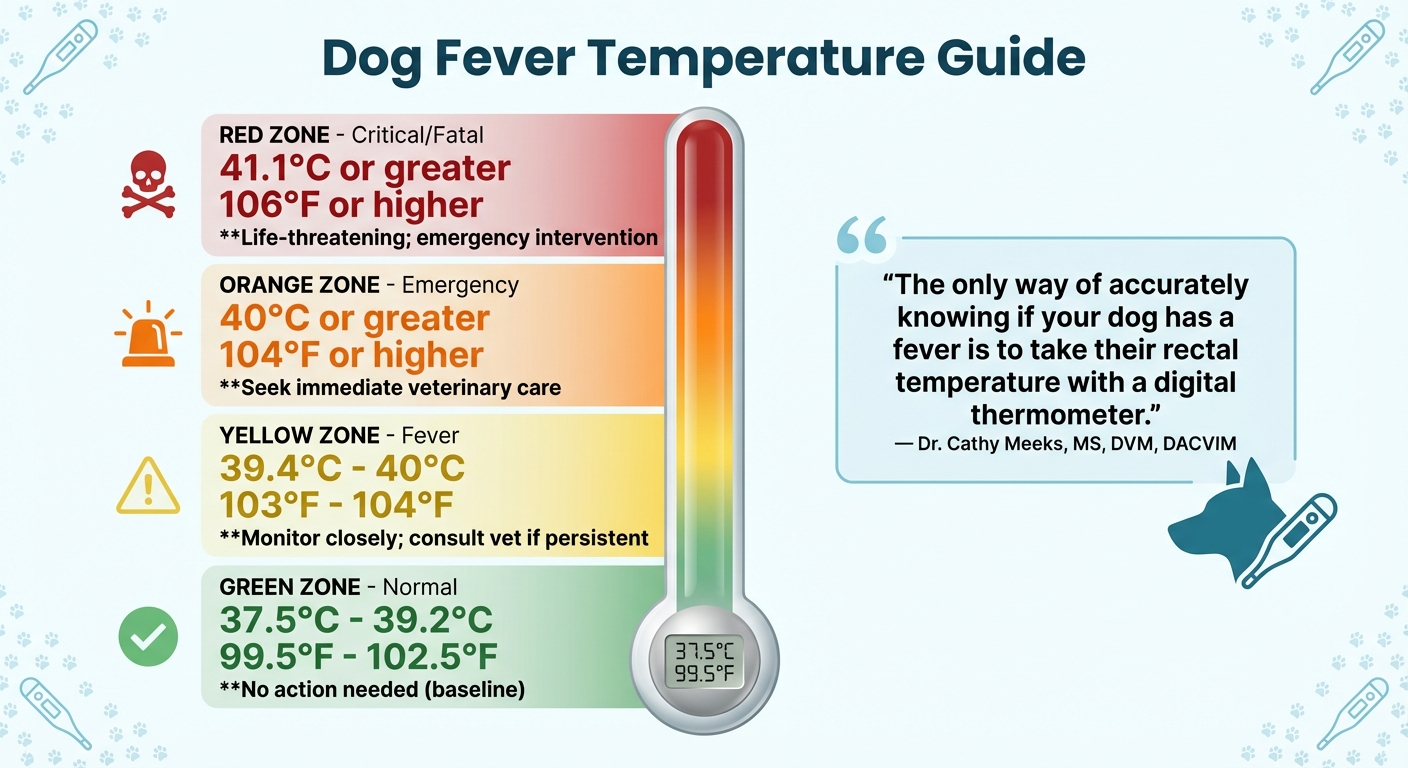
Dog Fever Temperature Guide: Normal, Fever, and Emergency Ranges
Keeping an eye on your dog’s health through regular observation and occasional checks is crucial for catching fever-related issues early.
How to Check Your Dog's Temperature
The most accurate way to know if your dog has a fever is by using a digital thermometer. A healthy dog’s temperature generally falls between 37.5°C and 39.2°C (99.5°F to 102.5°F). If the temperature exceeds 39.4°C (103°F), it signals a fever, and anything at or above 40°C (104°F) requires urgent veterinary care. A reading of 41.1°C (106°F) or higher is life-threatening.
For the most precise results, opt for a digital rectal thermometer. You’ll need the thermometer, a water-based lubricant (or petroleum jelly), and a few treats to keep your dog calm. Have someone gently hold your dog’s head while you lubricate the thermometer and insert it about 2.5 cm for smaller dogs or 5–7.5 cm for larger breeds. Wait for the beep, then remove and clean the thermometer with alcohol or soap and water.
An ear thermometer is another option, though it may be less reliable because of fur and the shape of the ear canal. Avoid using glass mercury thermometers - they can break and cause mercury poisoning.
"The only way of accurately knowing if your dog has a fever is to take their rectal temperature with a digital thermometer." - Dr. Cathy Meeks, MS, DVM, DACVIM
Before you start monitoring, establish a baseline by checking your dog’s temperature a few times when they are calm and healthy. Smaller breeds might naturally have slightly higher temperatures due to their faster metabolism. Remember, stress, excitement, or recent activity can temporarily raise their temperature, so let your dog rest for 10 minutes before retesting if the numbers seem unusually high.
Once you’ve got an accurate reading, pay attention to your dog’s behaviour to spot any early signs of illness.
Recognising Early Warning Signs
Temperature readings work best when paired with close observation of your dog’s behaviour. Look for subtle changes like lethargy, shivering, loss of appetite, or hiding. If your dog skips two meals or seems uninterested in play, it’s a good idea to check their temperature. Physical signs such as red or glassy eyes, warm ears, or a warm, dry nose could also indicate a fever. Additionally, watch for respiratory symptoms like coughing, nasal discharge, or heavy panting that isn’t linked to exercise - these may point to an infection.
| Condition | Temperature Range | Action Required |
|---|---|---|
| Normal | 37.5°C – 39.2°C (99.5°F – 102.5°F) | No action needed (baseline) |
| Fever | 39.4°C – 40°C (103°F – 104°F) | Monitor closely; consult vet if persistent |
| Emergency | 40°C or greater (104°F or higher) | Seek immediate veterinary care |
| Critical/Fatal | 41.1°C or greater (106°F or higher) | Life-threatening; emergency intervention |
Don’t rely on the outdated “nose test” myth - a cold, wet nose doesn’t always mean your dog is healthy, and a hot, dry nose doesn’t necessarily mean they have a fever. Environmental factors can influence nose temperature.
Establishing a Routine Health Check
There’s no need to check your dog’s temperature daily if they seem healthy.
"If a dog does not seem ill, there's no benefit to taking your dog's temperature at home on a regular basis, because it can also go up with overactivity, stress, anxiety or if your dog has been outside in a warm environment." - Dr. Cathy Meeks
Instead, focus on monitoring your dog’s eating habits, energy levels, and general behaviour. If you notice unusual lethargy, skipped meals, or your dog hiding more than usual, it’s time to take their temperature. Keeping a health journal with baseline temperature readings and notes on any unusual symptoms can help you and your vet spot patterns and provide better care when needed.
When to Seek Professional Veterinary Care
Keeping an eye on your dog's health at home is crucial, but some situations can quickly spiral out of control, requiring immediate veterinary attention.
Signs That Require Immediate Attention
While regular temperature checks and monitoring behaviour are great practices, certain warning signs need urgent action. If your dog's temperature exceeds 39.4°C (103°F), it's time to call your vet. Temperatures reaching 40°C (104°F) or higher demand immediate care, as anything above 41.1°C (106°F) can cause life-threatening organ damage.
"A temperature of 106 degrees or higher can damage a pet's internal organs and can be fatal, so never wait until it gets to that point." - AKC Staff
Apart from high fever, be on the lookout for blood in vomit or stool, extreme lethargy, or your dog skipping two consecutive meals. Other alarming signs include persistent vomiting, seizures, collapse, or unconsciousness.
"It's considered an emergency if your dog is extremely lethargic, has blood in their stool or vomit, stops eating, or has a fever above 104.5°F." - Dr. Cathy Meeks, MS, DVM, DACVIM
If your dog's temperature stays elevated for more than 24 hours or home cooling methods fail to work within 30 minutes, seek veterinary help immediately. A fever lasting over 48 hours often points to a deeper issue that needs professional diagnostics to uncover.
Limitations of Home Care
Home care is helpful but has its limits. Cooling your dog with a water bath might lower their temperature temporarily, but it won't fix underlying issues like infections or exposure to toxins. These conditions require professional tools like blood tests, X-rays, or ultrasounds to diagnose and treat effectively.
Never give human medications like paracetamol, ibuprofen, or aspirin to your dog. These drugs are highly toxic and can cause severe harm, even death.
"It is extremely important to never give your dog over-the-counter medications, such as ibuprofen or Tylenol, to reduce their fever. These medications are toxic to pets and can result in serious harm or death." - Dr. Cathy Meeks
In some cases, dogs may develop a condition called Fever of Unknown Origin (FUO), where their temperature remains above 39.7°C (103.5°F) for several days without a clear cause. Such cases require close monitoring and targeted treatment to prevent serious complications like dehydration, malnutrition, or organ failure, ensuring your dog gets the best chance at recovery.
Even with the best home care, professional veterinary intervention is critical to safeguard your dog’s health in serious situations.
Conclusion: Key Takeaways for Preventing Fever in Dogs
Recap of Preventive Measures
Preventing fever in dogs revolves around consistent care and attention. Make sure to keep up with routine vaccinations to shield your pet from infections like distemper and parvovirus, which are common fever triggers. Store harmful substances such as antifreeze, foods containing xylitol, and toxic plants out of your dog's reach. Regular grooming and timely wound care are crucial for preventing minor scratches from turning into infections. Additionally, using tick and flea preventatives consistently can lower the chances of tick-borne illnesses. It's also a good idea to establish your dog's normal body temperature (38.3°C to 39.2°C) so you can detect any changes early. Keep in mind, temperatures reaching 41.1°C or higher can result in permanent organ damage.
Stay Proactive for Your Dog's Health
Proactive care plays a big role in keeping your dog fever-free. Regularly monitor your dog’s behaviour and temperature, and ensure vaccinations, hygiene, and vet check-ups are part of your routine. Avoid giving human medications like paracetamol or ibuprofen, as they can be harmful to dogs. If your dog’s temperature hits 39.4°C or higher, it’s time to contact your vet immediately. By combining balanced nutrition, proper hygiene, regular vet visits, and close observation, you create a strong defence against fever. Since most fever causes are manageable when caught early, staying alert helps protect your dog’s health and ensures a happier, healthier life. Integrating these steps into your daily care routine is one of the best ways to prevent fever before it even starts.
FAQs
What’s the safest way to cool my dog at home while heading to the vet?
To help your dog cool down safely at home, try placing ice packs wrapped in a wet towel on their head and along their sides, just above the lungs. You can also use a fan to assist with cooling. However, avoid wetting your dog with water, as this might interfere with their ability to regulate body temperature, especially if they have a fever. Most importantly, never administer medication or use water sprays unless your vet specifically advises it.
How can I tell fever from heatstroke in my dog?
Dogs are considered to have a fever when their body temperature goes beyond 102.5°F (39.2°C), usually as a result of an infection or illness. In contrast, heatstroke occurs due to external factors like high temperatures or intense physical activity, with body temperatures often exceeding 105°F (40.6°C). While fever might not always present visible symptoms, heatstroke is often accompanied by signs such as excessive panting, drooling, weakness, and even collapse.
Which infections commonly cause recurring fever in Indian dogs?
Recurring fever in dogs in India can often point to infections like leishmaniasis, a disease spread by sandflies, or bacterial conditions such as ehrlichiosis, which is associated with tick bites. In drier, dustier regions, fungal infections might also be a factor. Identifying the cause early is essential for effective treatment. If your dog experiences recurring fever, especially in areas where these illnesses are common, it’s best to consult a veterinarian promptly.


